
Blues is an iconic form of music that has influenced generations of artists. Considered one of the most important musical genres of the 20th century, blues has complex origins that reach back to the history of slavery in America and African American culture. Over the years, it evolved and gave rise to numerous styles and subgenres, becoming a cornerstone of contemporary music.
In France, blues has a rich and diverse history. It has had a major impact on the French music scene, inspiring numerous artists and paving the way for new forms of musical expression. In this article, we will explore the history of blues, focusing on its origins, evolution, and impact in France. We will also discuss the great blues artists, as well as the different styles and instruments used in this timeless musical genre.
The origins of blues
Blues is a musical genre that emerged in the early 20th century in the southern United States. Its origins can be traced back to the music of enslaved Africans who were transported to North America during the slave-trade era. Work songs, gospel music, and other forms of African music merged with European and American musical traditions to create a new form of music: blues.
| Event | Year |
|---|---|
| The first published blues song: “Memphis Blues” by W. C. Handy | 1912 |
| Mamie Smith records “Crazy Blues,” the first blues recording made by an African American female singer | 1920 |
| The Great Migration of African Americans from rural areas to northern cities, where they brought their music. | 1910-1930 |
Blues evolved over time to incorporate new styles, such as electric and acoustic blues, but it has always remained true to its African roots.
“Blues is simple, honest music. It comes from people’s hearts and souls. It is deeply rooted in pain and suffering, but it is also filled with joy and hope. It is music that never dies.” — B. B. King

The evolution of blues
Blues evolved over the decades to become one of the most influential musical genres in history. At first, blues was a simple musical style, often performed by one person with an acoustic guitar and their voice.
Over time, blues evolved to include full ensembles featuring instruments such as piano, harmonica, bass, and drums. Delta blues was a subgenre of acoustic blues characterized by a distinctive guitar sound and vocals that were generally in a low register.
The emergence of electric blues in the 1940s brought electric guitars, basses, and drums that produced a more powerful, clearly defined sound. Electric blues was often associated with northern cities such as Chicago and Detroit.
Popular styles and subgenres
With the emergence of different blues styles and subgenres, it is difficult to determine which is the most popular. Jazz blues is one of the best-loved subgenres, characterized by sophisticated orchestral arrangements combined with the sound of guitar or harmonica.
| Subgenre | Description |
|---|---|
| Chicago blues | A style of electric blues influenced by the city of Chicago. Renowned Chicago blues artists include Muddy Waters and Howlin’ Wolf. |
| Rhythm and blues (R&B) | A more dance-oriented style of blues incorporating elements of jazz and gospel. R&B was particularly popular in the 1950s and 1960s. |
| Delta blues | One of the oldest subgenres, characterized by a distinctive acoustic-guitar sound. Some of the best-known Delta blues artists include Robert Johnson and Son House. |
Blues continues to evolve today, with new styles and subgenres emerging. However, it remains a musical genre deeply rooted in American history and culture and is often cited as a source of inspiration for other genres such as rock and jazz.
The great blues artists
Blues has produced a host of legendary artists who have left their mark on music history. Robert Johnson is often considered a founding father of blues because of his influence on later generations of artists. His exceptional guitar technique and unique vocal style profoundly influenced blues musicians. Muddy Waters, meanwhile, is often credited with popularizing Delta blues in the 1940s and 1950s. His electric-guitar style and powerful voice created a more urban sound and paved the way for Chicago blues.
B. B. King is another iconic blues artist who helped popularize the genre. He is highly regarded for his distinctive guitar playing, warm voice, and stage presence. He also created a foundation to promote music education and healthcare.
Other notable blues artists include John Lee Hooker, Etta James, Howlin’ Wolf, and T-Bone Walker. Each of these artists made a unique contribution to the genre, enriching it with new sounds, styles, and techniques. Their influence allowed blues to span generations and remain a popular musical genre today.
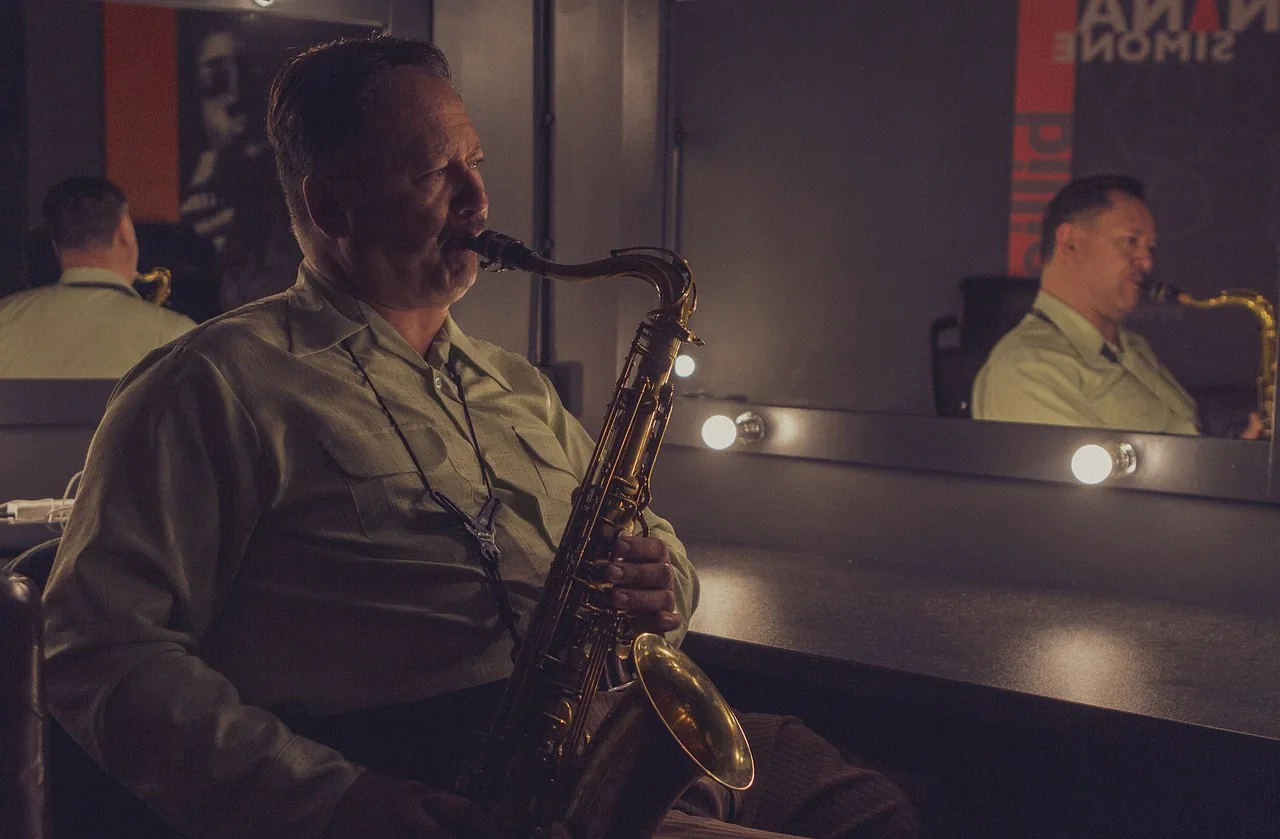
It is important to note that many blues artists experienced prejudice and injustice because of their skin color and socioeconomic background. Blues is rooted in the history of the struggle against discrimination and oppression, and many artists used their music to draw attention to these issues. Despite these hardships, blues artists continued to create music that touched millions of people around the world and left an indelible mark on global music history.
Blues styles
Blues is a diverse musical genre that has given rise to many different styles throughout its history. Here is an overview of the main blues styles:
| Blues style | Description |
|---|---|
| Traditional blues | This blues style is often played on acoustic instruments such as guitar, piano, and harmonica. It is characterized by simple melodies and often melancholy lyrics. Artists such as Robert Johnson and Blind Lemon Jefferson popularized this style in the 1930s and 1940s. |
| Electric blues | This style is characterized by amplified electric guitar and drums, giving it a more powerful and dynamic sound than traditional blues. Artists such as Muddy Waters and Howlin’ Wolf popularized this style in the 1950s and 1960s. |
| Acoustic blues | This blues style is similar to traditional blues, but it is often played with amplified acoustic instruments. It is frequently associated with artists such as Taj Mahal and Keb’ Mo’, who have popularized the style since the 1970s. |
Each blues style has its own characteristics and distinctive sound, making blues a diverse and fascinating musical genre to explore.
Discover the fascinating history of every blues style, from its origins to the present day!
Blues instruments
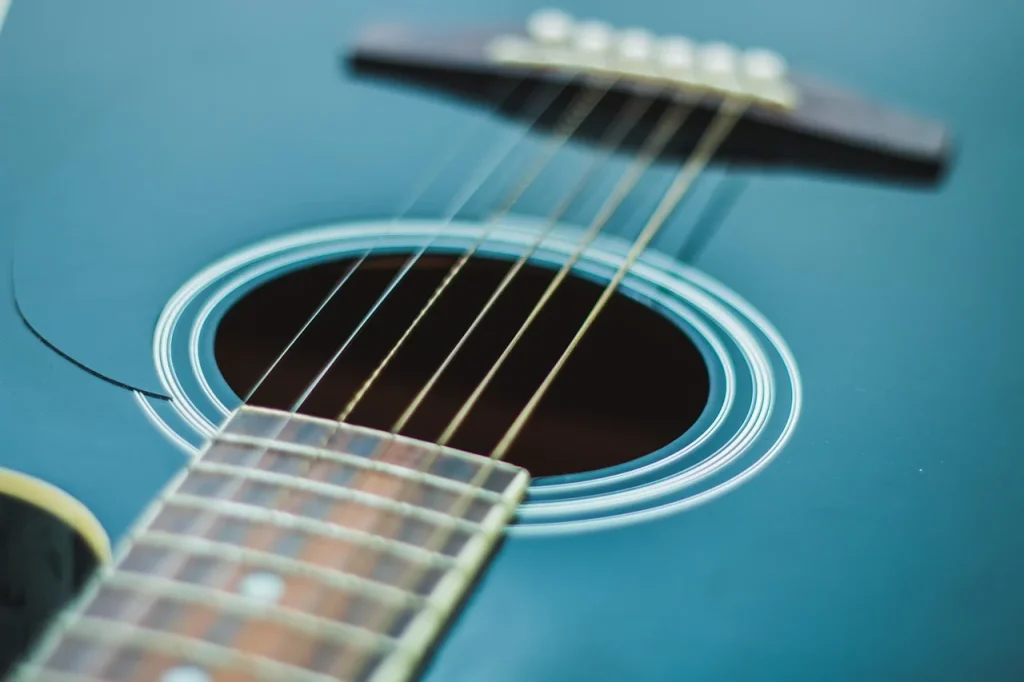
Blues is often characterized by simple yet expressive instrumentation. The instruments most commonly associated with blues are guitar, harmonica, and piano.
When people think of guitar in blues, certain legends of the genre immediately come to mind. Robert Johnson, who is said to have sold his soul to the devil to master the instrument, is often considered one of the most influential blues guitarists of all time. His fingerpicking guitar technique influenced generations of guitarists in blues and other musical genres. Other great names in blues guitar include Muddy Waters, B. B. King, and John Lee Hooker.
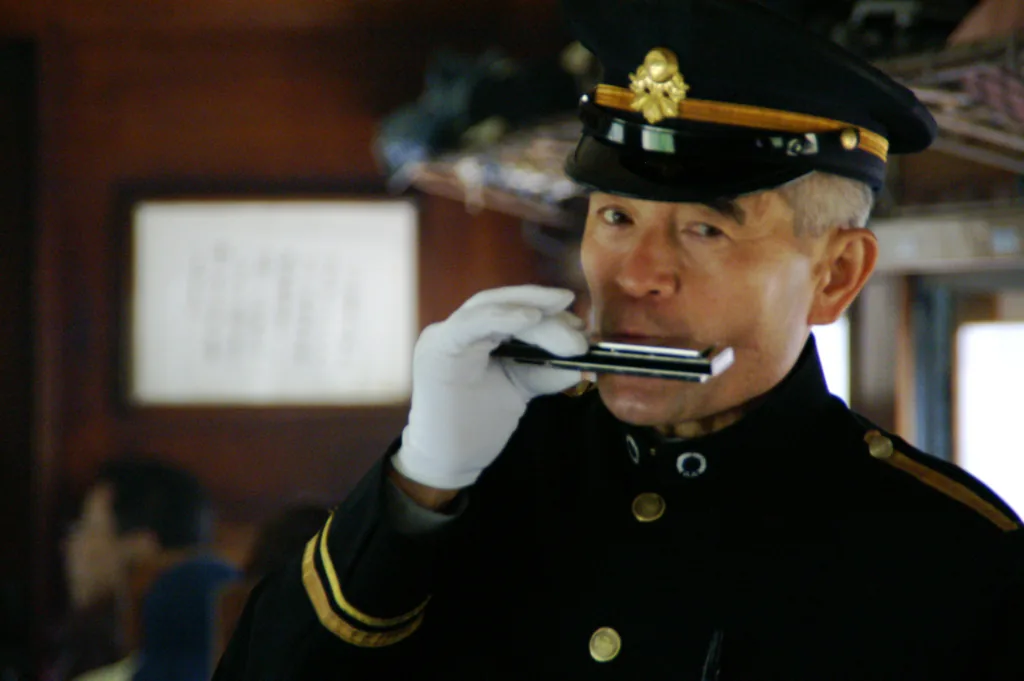
The harmonica is also a key blues instrument, often used to add plaintive melodies that reflect the singer’s emotions. Artists such as Little Walter, Sonny Boy Williamson, and Junior Wells have all been acclaimed for their mastery of the harmonica and their contributions to the evolution of the blues sound.
The piano, meanwhile, is often used to add a richer, more complex sound. Great names in blues piano include Pinetop Perkins, Memphis Slim, and Otis Spann, to name just a few.

Blues instruments are often associated with stories of poverty and hardship, reflecting the blues legacy as an expression of African American life in the southern United States.
Contemporary blues in France
Blues continues to resonate in France, where the contemporary scene is thriving. Many French artists have embraced blues with passion, creating a dynamic musical culture that is constantly evolving.
One of the most popular artists on the French blues scene is Paul Personne, who began playing guitar at the age of 14. Personne became well known for his blues-rock style, which has captivated music lovers in France and around the world. He has released more than 20 albums since the start of his career, offering authentic music grounded in his love of guitar, blues, and rock.
Another popular French artist is Manu Lanvin, a singer and guitarist who has worked with many renowned international musicians, including Calvin Russell and Hubert-Félix Thiéfaine. His dynamic, expressive blues-rock style is influenced by artists such as Jimi Hendrix, the Rolling Stones, and AC/DC.
France is also home to several renowned blues festivals, such as Cognac Blues Passions, Blues-sur-Seine, and the Cahors Blues Festival. These events attract musicians and blues enthusiasts from around the world, giving artists a platform on which to perform for passionate audiences.

Contemporary blues in France is characterized by a wide diversity of styles and influences, reflecting the richness of this music. French artists continue to innovate and draw inspiration from new sources while remaining true to the roots of blues.
Conclusion
Over the years, blues has won over the world through its compelling rhythms and its ability to tell profoundly human stories. Blues became highly popular in France, attracting many artists who took part in its rich history. We have explored the origins, evolution, and legendary artists of this universally loved musical genre. We have also discovered the different styles and instruments characteristic of blues, as well as how the genre developed over time.
Whether traditional, electric, or acoustic, blues conveys raw emotion and a sense of authenticity that has touched the hearts of many people. The contemporary blues scene in France is also flourishing, with talented artists and blues festivals attracting larger audiences every year. In conclusion, blues will undoubtedly remain a timeless and influential musical genre for generations to come.
FAQ
Q: What is the history of blues?
A: The history of blues refers to the evolution and origins of this iconic musical genre. It also encompasses the impact it has had in France.
Q: What are the origins of blues?
A: Blues has its origins in the music of enslaved Africans and the influence of African American culture. It emerged in the southern United States as a musical genre in its own right.
Q: How did blues evolve?
A: Blues evolved over time, giving rise to different styles and subgenres such as Delta blues, Chicago blues, and rhythm and blues.
Q: Who are the great blues artists?
A: Great blues artists include iconic figures such as Robert Johnson, Muddy Waters, and B. B. King, all of whom made major contributions to shaping the genre.
Q: What are the styles of blues?
A: Blues styles include traditional blues, electric blues, and acoustic blues. Each style has its own characteristics and distinctive features.
Q: What instruments are used in blues?
A: Instruments commonly used in blues include guitar, harmonica, and piano. They all help create the distinctive blues sound.
Q: How is contemporary blues doing in France?
A: Contemporary blues is thriving in France. Many French artists have made their mark, while blues festivals and venues dedicated to the genre are growing in popularity across the country.