
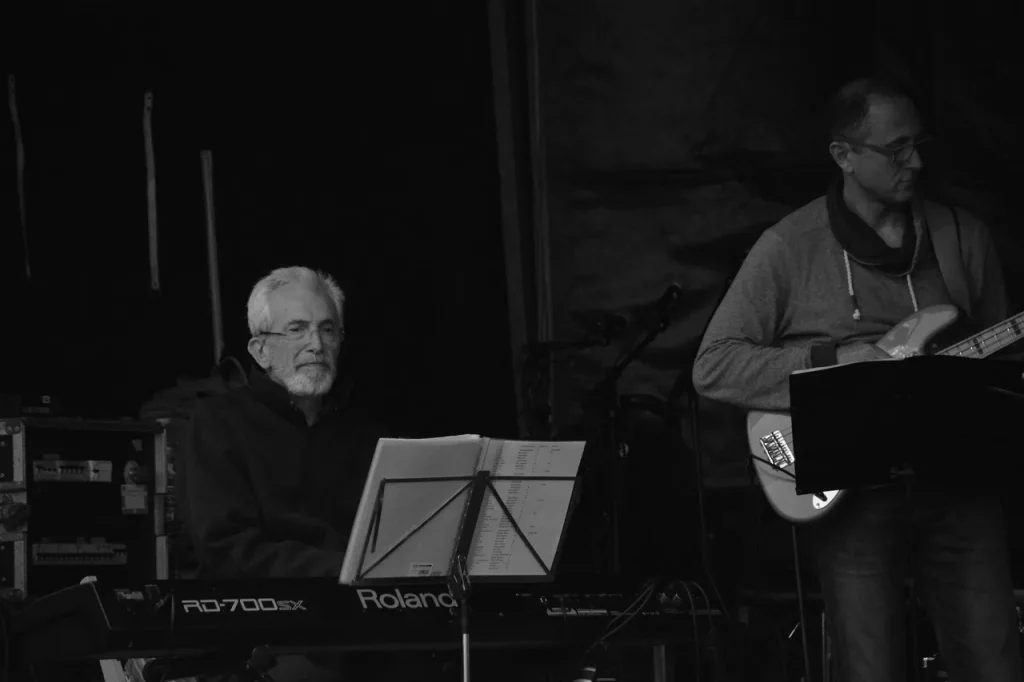
The blues is a musical genre that emerged in African American communities in the southern United States in the 19th century. It is considered one of the most influential genres in the history of American music and has inspired many other styles, including jazz, rock, soul, and R&B.
The blues takes its name from the word “blue,” meaning sad or melancholy. The lyrics of blues songs often reflect life’s struggles and hardships, as well as the hope and resilience that characterize African American culture.
The characteristics of the blues include simple, repetitive melodies, poignant lyrics, and instrumentation that emphasizes the guitar, harmonica, and piano. The blues’ slow, syncopated rhythm creates an atmosphere that is both somber and profound, reflecting the emotions of its singers and musicians.
Origins of the Blues: Music Born of Suffering and Slavery
The blues emerged in the southern United States in the late 19th century. It grew out of the history and culture of the African American community, which had long endured slavery and segregation. The blues was influenced by work songs, spirituals, and African traditions passed down from generation to generation. In this way, Africans were able to preserve their culture and identity despite years of forced servitude.
The blues began as music of the Black community, played in dark, smoke-filled corners of bars and clubs. The first bluesmen did not play for profit or recognition, but to express their pain, sadness, and anger. The blues was a cathartic form of expression that allowed musicians and their audiences to release their emotions and cope with the hardships of daily life.
| Work songs | Spirituals | African traditions |
|---|---|---|
| Enslaved Africans were forced to work under extremely harsh conditions on plantations in the southern United States. To endure this grueling labor, they sang work songs that evolved into an important element of the blues. | Spirituals were religious songs adapted by African Americans to express their faith and hope for a better future. These songs influenced the blues’ vocal style and lyrical content. | African traditions also influenced the blues. African music is based on complex rhythms and improvisation. This cultural heritage was passed on to blues musicians and became an essential component of the genre. |
The origins of the blues are therefore deeply rooted in African American history and culture. This intimate connection with the Black community enabled the blues to become one of the most powerful and popular forms of musical expression in American history.

Structure and Improvisation in the Blues
The blues is often characterized by a 12-bar chord progression, which forms the basis of many songs in the genre. This progression consists of three main chords—usually the tonic, subdominant, and dominant—which are then repeated. The chord progression can vary depending on the song, but it is often used as a basic framework that allows musicians to express themselves through improvisation.
Indeed, improvisation is a key element of the blues. Blues musicians are known for their ability to express their creativity through guitar, harmonica, or piano solos, using techniques such as the pentatonic scale or seventh chords. Improvisation allows musicians to express themselves authentically and personally while adding an element of unpredictability to the music.
The blues may also feature additions to and omissions from its typical structure, such as note changes, diminished chords, and tempo variations. These variations allow musicians to personalize their music while respecting the fundamental characteristics of the blues.
Improvisation is therefore at the heart of the blues, allowing musicians to express themselves creatively while respecting the genre’s basic structure. This gives the blues its unique, emotional atmosphere, making the genre a powerful form of expression for musicians and listeners alike.
Blues Instruments and the Role of Rhythm
The blues is a musical genre characterized by the use of specific instruments, such as the guitar, harmonica, and piano. Each of these instruments has a unique sound that helps create the intimate, emotional atmosphere of the blues.
The guitar is the most iconic blues instrument. Blues guitarists often use acoustic guitars, but they may also use electric guitars to create a more powerful, energetic sound. Blues guitarists use a variety of techniques, including fingerpicking and bottleneck slide, to create complex melodies and compelling rhythms.
The harmonica is another very important instrument in the blues. Harmonicas are often used to play simple melodies and memorable riffs that blend perfectly with the blues sound. Harmonicas are also highly portable, making them ideal for traveling musicians.
The piano also features in the blues. Blues pianists often use stride and boogie-woogie techniques to create compelling rhythms and emotional melodies. The piano is often used to accompany blues singers as well as to perform impressive solos.
Rhythm is an essential element of the blues. Slow, closely spaced beats create the intimate, emotional atmosphere characteristic of the genre. The rhythm can also vary, ranging from a slow, languid tempo to a faster, more energetic one.
Sometimes blues musicians use percussion instruments such as drum kits or hand drums to add depth and variety to their music. Whatever instruments are used, rhythm and an intimate atmosphere are key elements of the blues’ unique and memorable sound.

Blues Variations: Acoustic vs. Electric
The blues is an extraordinarily rich and diverse musical genre. Over time, it has given rise to many variations, each with its own distinctive features and influences. One of the most important distinctions in the blues is between acoustic blues and electric blues.
Acoustic blues is often associated with the genre’s earliest origins. Acoustic blues musicians frequently use acoustic instruments such as the guitar, harmonica, and double bass to bring their music to life. Acoustic blues songs have a softer, more intimate sound, and their lyrics often emphasize themes such as suffering, loneliness, and struggle.
Electric blues, by contrast, is a more recent evolution of the genre. Electric blues musicians use amplified instruments such as the electric guitar, electric piano, and electric bass to create more powerful, energetic music. Electric blues songs often have a faster, more compelling rhythm, and their lyrics may address a wider range of subjects, from love to politics.
Although acoustic and electric blues differ, they share the same essence: the expression of suffering and resilience through music. Whether one prefers the soft, intimate sounds of acoustic blues or the power and energy of electric blues, one can be sure that the blues will continue to evolve and inspire new musicians for generations to come.
Conclusion
In short, the blues is a musical genre deeply rooted in African American history that expresses pain, hope, and resilience. The origins of the blues reach back to the era of slavery and segregation, and the genre continues to thrive today.
Improvisation and the 12-bar structure are key elements of blues music, while the guitar, harmonica, and piano are the genre’s iconic instruments. Rhythm is also an essential element of the blues and greatly influences the atmosphere and feeling created by the music.
Finally, it is important to emphasize that there are several variations of the blues, including acoustic and electric blues. Each style has its own characteristics and influences and deserves to be explored to appreciate its richness and diversity.
We hope this article has helped you better understand the characteristics and origins of the blues. Whether you are a longtime fan or discovering this musical genre for the first time, we encourage you to explore the fascinating world of the blues further.
FAQ
Q: What is the blues?
A: The blues is a musical genre that originated in the African American community in the United States. It is characterized by melancholy lyrics and simple melodies, often accompanied by the guitar, harmonica, and piano.
Q: What are the origins of the blues?
A: The blues emerged during the era of slavery and segregation in the United States. It was influenced by enslaved people’s work songs, spirituals, and African musical traditions.
Q: What is the typical structure of the blues?
A: The typical blues structure is based on a 12-bar chord progression. It generally contains three melodic lines and is often played in a minor key.
Q: How is improvisation used in the blues?
A: Improvisation plays an essential role in the blues. Musicians use techniques such as note bending, glissandos, and rhythmic variations to express their creativity and give their performance a personal dimension.
Q: What instruments are characteristic of the blues?
A: The instruments most characteristic of the blues are the guitar, harmonica, and piano. These instruments are often used to create the blues’ distinctive atmosphere.
Q: What role does rhythm play in the blues?
A: Rhythm plays an essential role in the blues. It creates the music’s characteristic pulse and influences the atmosphere and feeling produced by the song.
Q: What are the variations of the blues?
A: There are different variations of the blues, including acoustic blues and electric blues. Acoustic blues emphasizes acoustic instruments, while electric blues incorporates amplified instruments to produce a more powerful sound.
Q: Why is the blues important as a musical genre?
A: The blues is a musical genre that expresses suffering, hope, and resilience. It has played an important role in African American culture and influenced many other musical genres, including jazz, rock, and soul.