
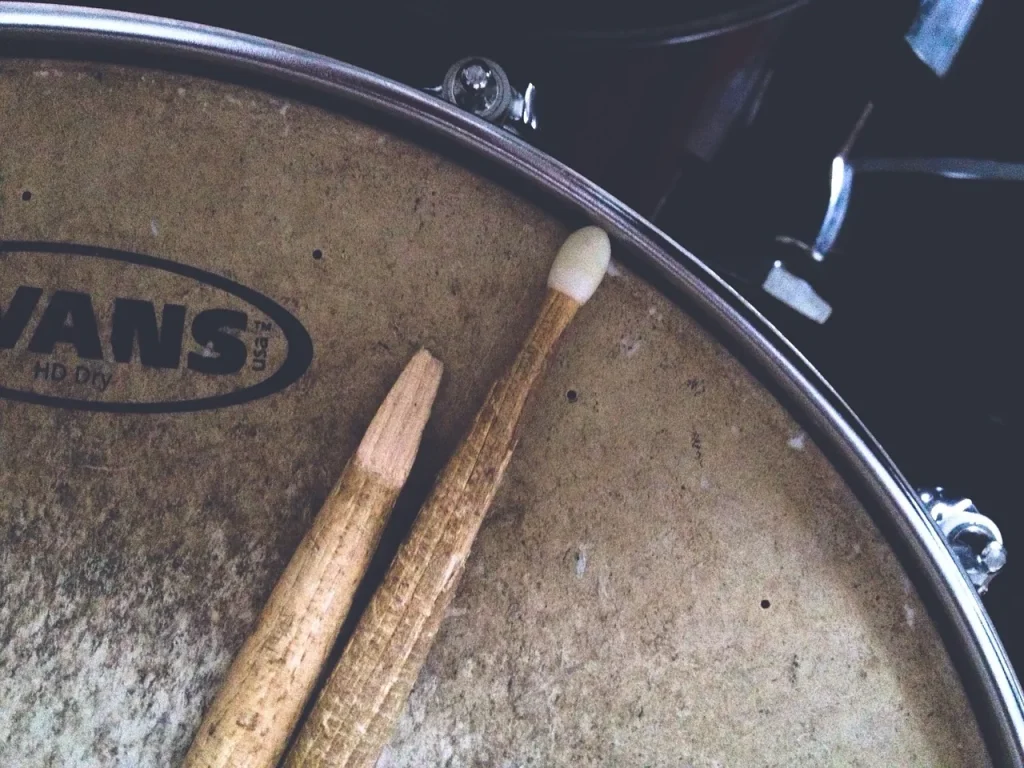
Blues is a musical genre deeply rooted in American history that has influenced many other musical styles. Blues musical instruments are essential for capturing the essence of this unique genre. In this complete guide, we will explore the different blues instruments, from blues guitar and blues drums to blues harmonica, blues piano, and blues double bass.
If you are passionate about blues, this guide is for you. We will offer advice on choosing the right instruments, mastering blues-specific techniques, and discovering the great musicians who have shaped this musical genre.
Blues guitar: the soul of the blues
One of the most iconic blues instruments is undoubtedly the guitar. It is often considered the soul of this musical genre because it can convey all the pain and suffering of blues musicians. Blues guitar has become synonymous with the sound of this music and is played in a wide variety of styles. Whether you are a beginner or a seasoned musician, choosing the right blues guitar is important if you want to achieve the sound you are looking for.
First, it is important to determine the type of blues guitar you want to play. Both acoustic and electric guitars are used in blues, and each has its advantages and disadvantages. Acoustic guitars tend to produce a softer sound, while electric guitars offer a more powerful and expressive sound. Your choice will depend on the style of blues you play and your personal preferences.
Next, you need to consider the guitar’s physical characteristics. Blues guitars generally have an S-shaped body inspired by jazz guitars. The neck is often thicker than that of a standard electric guitar, making it easier for musicians to play complex chords and melodic phrases. The pickups on a blues guitar also differ, with single-coil or humbucker pickups producing a warmer sound.
| Tips for playing blues guitar: |
|---|
| 1. Learn the basic blues chords. |
| 2. Use playing techniques such as bending and sliding to add expression to your melodic phrases. |
| 3. Listen to great blues guitarists for inspiration and to improve your playing. |

Finally, remember that blues guitar requires a particular playing technique. Work on your sense of rhythm and your ability to improvise to truly master this instrument. With practice and patience, you will be able to make your blues guitar sing like a true professional.
Blues harmonica: the voice of the soul
The blues harmonica is an iconic instrument of the genre. It is a wind instrument that can be played solo or as an accompaniment to other instruments. To choose the right harmonica, it is important to consider the instrument’s key, style, and sound quality.
Several playing techniques are specific to blues harmonica, including bending, vibrato, and trills. These techniques create unique sound effects that capture the essence of the blues.
Great blues harmonica players worth knowing include Sonny Boy Williamson, Little Walter, and James Cotton. These musicians made significant contributions to the development of blues harmonica.

To master blues harmonica, it is important to practise regularly and draw inspiration from great musicians. By using the right techniques and choosing the right harmonica, you will be able to capture the soulful voice of the blues.
Blues piano: the blue note
The piano holds an important place in blues because it can fulfil several roles, from rhythm and melody to harmony. The warm, expressive sound of blues piano is a true sonic signature of this musical genre.
To play blues piano, it is important to choose a suitable piano. Acoustic pianos are the most popular, but digital pianos can also be used. It is important to choose a piano with weighted keys to produce the distinctive blues sound. In addition, a piano with pedals is ideal for playing chords and sustained notes.
Blues-piano techniques include glissandos, trills, broken chords, and seventh chords. Influential blues pianists such as Otis Spann and Pinetop Perkins used these techniques to create unique and memorable pieces.
| Playing styles | Influential pianists |
|---|---|
| Boogie-woogie | Meade “Lux” Lewis |
| Ragtime blues | Blind Boy Fuller |
| Slow blues | Otis Spann |
| Jazz blues | Count Basie |
One way to improve your blues-piano technique is to practise with online videos or instructional books. Regular practice is also important for developing finger dexterity and increasing playing speed.
Ultimately, the blues piano is a versatile instrument that enables musicians to express themselves in a unique way. By choosing the right piano and mastering blues-specific playing techniques, anyone can add that blue note to their music.
Blues double bass: the foundation of the rhythm
When people think of the quintessential blues instrument, the double bass is often overlooked. Yet it provides both the harmonic and rhythmic foundation of this musical style.
The blues double bass is a bowed string instrument that produces deep, powerful sounds. It is essential for adding depth and stability to blues rhythms.
If you are looking for a blues double bass, it is important to consider factors such as the quality of the wood, the size of the instrument, and its weight. It is also important to choose suitable strings to produce the low, deep, and melodious sounds so characteristic of the blues.
To play blues double bass, mastering a few basic techniques, such as pizzicato and bowing, is essential. You must also work on intonation and rhythm to produce a flawless, precise sound. Great blues musicians such as Willie Dixon and Jaco Pastorius are examples of exceptional mastery of the blues double bass.
The blues double bass is a complex but fascinating instrument that will add a unique dimension to your playing. If you are passionate about blues, learning to play this instrument is essential for deepening your understanding and mastery of the genre.

Blues drums: the heartbeat
Blues drums are crucial for bringing blues music to life. This section will examine the instrument’s essential components, its distinctive playing techniques, and the renowned blues drummers who helped shape the blues sound. To play blues drums, you will need an acoustic drum kit equipped with specific cymbals and drums.
The drums used in a blues kit are generally smaller than those used in a rock kit because the sound needs to be more subtle. Cymbals are also important because they add texture and colour to the music. Hi-hat cymbals are particularly important in blues because they can be operated with the feet to create an underlying rhythm.
As for playing technique, blues drumming often uses simple but effective rhythms such as the shuffle or boogie-woogie. The drummer must pay attention to the singer or bandleader and know how to vary the intensity of their playing accordingly. Listening is therefore a key part of playing blues drums.
Outstanding blues drummers such as Fred Below, Sam Lay, and Willie “Big Eyes” Smith all helped shape the unique sound of the blues. Fred Below’s playing on Muddy Waters’s “Hoochie Coochie Man” and Sam Lay’s playing on Howlin’ Wolf’s “Wang Dang Doodle” are classic examples of blues drumming at its best.
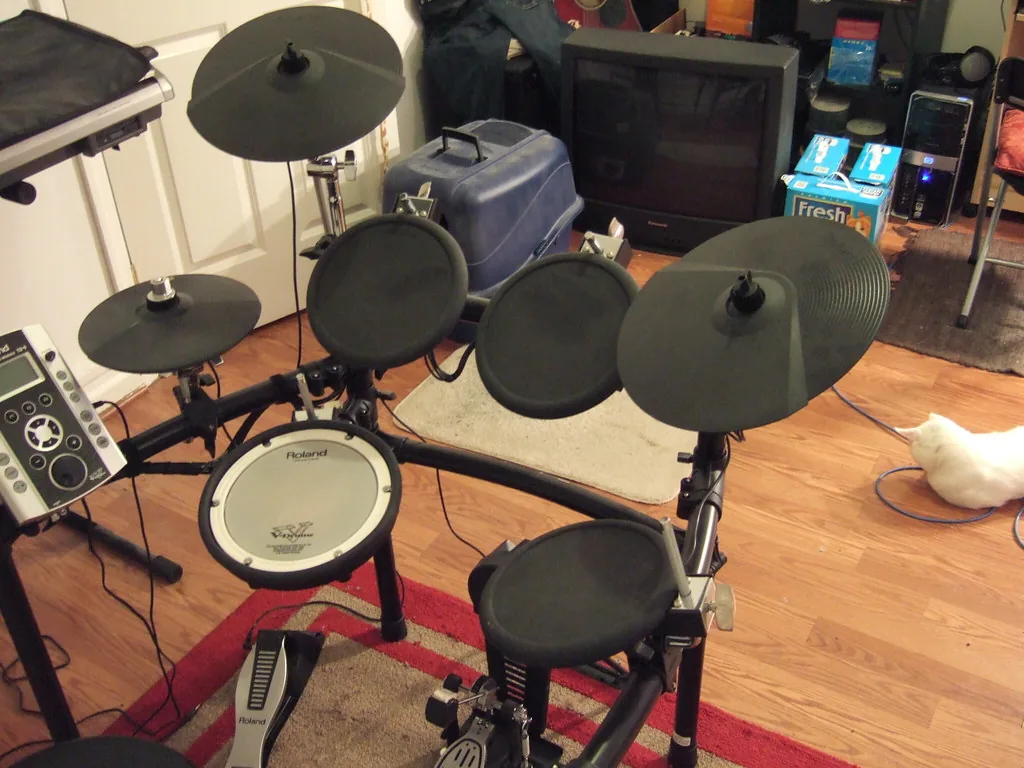
In short, blues drums are crucial for bringing blues music to life. Simple but effective rhythms, distinctive cymbals, and careful listening are key elements of blues drumming. Renowned blues drummers have shaped the unique blues sound and continue to inspire musicians around the world.
Conclusion
In conclusion, this complete guide to blues musical instruments has highlighted the importance of instruments in this iconic musical genre. We have seen that the blues guitar is the soul of the blues, the blues harmonica is the voice of the soul, the blues piano is the blue note, the blues double bass is the foundation of the rhythm, and blues drums are the heartbeat.
Choosing the right instruments and mastering blues-specific techniques are crucial steps in capturing the essence of this unique musical genre. We encourage enthusiasts to continue exploring the instruments featured in this guide and pursuing their passion for the blues.
FAQ
Q: Which blues musical instruments are covered in this guide?
A: This complete guide to blues musical instruments covers blues guitar, blues harmonica, blues piano, blues double bass, and blues drums.
Q: Why is the guitar so important in blues?
A: The guitar is considered the soul of the blues. It plays a central role in creating the atmosphere and emotion of this musical genre. In this guide, you will find advice on choosing a suitable guitar and blues-specific playing techniques.
Q: How do I choose the right harmonica for playing blues?
A: The blues harmonica is the voice of the soul in blues. In this section, you will learn how to choose the right harmonica, discover different playing techniques, and meet the great blues harmonica players worth knowing.
Q: What makes the piano so special in blues?
A: The blues piano adds a unique dimension to blues through its versatility and ability to express deep emotions. This guide covers different blues-piano styles, influential pianists, and tips for improving your technique.
Q: How does the double bass contribute to the rhythmic foundation of blues?
A: The blues double bass is the foundation of rhythm in blues. It creates a solid base for the other instruments and adds depth to the blues sound. This section explains the characteristics of the blues double bass, playing techniques, and advice on choosing the right instrument.
Q: What is the role of drums in blues?
A: Blues drums give blues its rhythm and energy. They are essential for maintaining the cohesion and pulse of blues music. In this section, you will discover the key components of a blues drum kit, instrument-specific playing techniques, and renowned blues drummers.
Q: What are the key points to remember from this guide to blues musical instruments?
A: This guide emphasises the importance of choosing the right instruments and mastering blues-specific techniques. It encourages enthusiasts to keep pursuing their passion for blues and to explore the featured instruments further.