
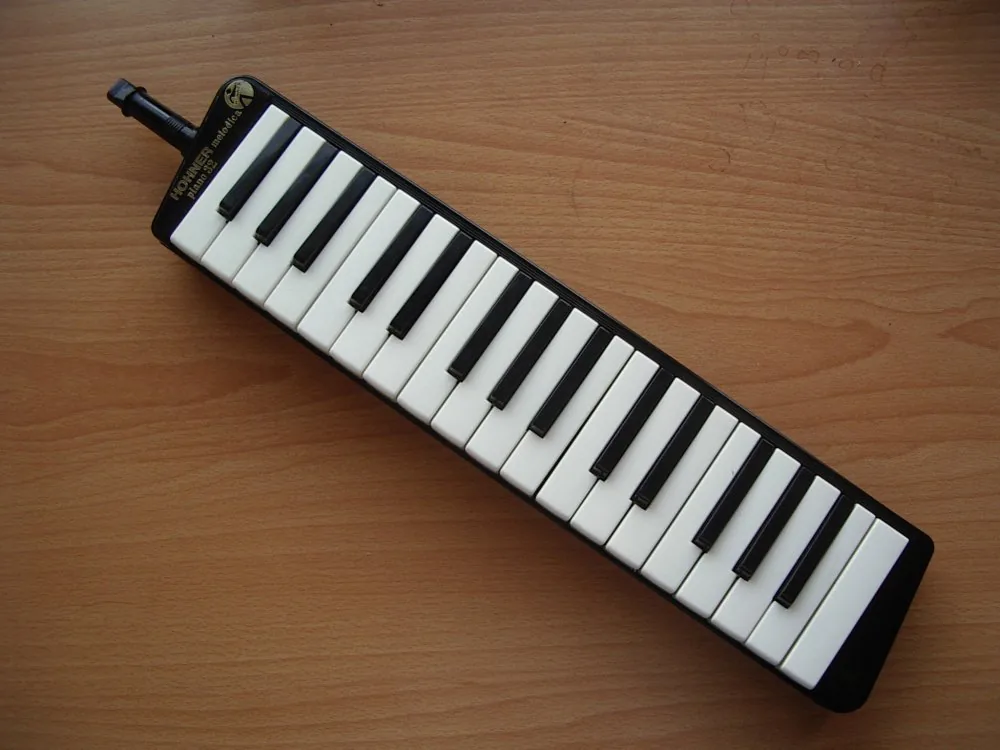
Finding the right model starts with understanding the market. The melodica, popular in the 1970s and 1980s, is making frequent appearances in studios and schools again. This article, updated in June 2024, guides you in choosing one based on your needs.
Most melodicas sold today remain affordable. Beginner models are available from 20 euros, while premium versions can cost up to 500 euros.
Choosing the right instrument requires comparing technical features, brand reliability and durability. We explain how to avoid the pitfalls of models with a weak sound.
By reading on, you will learn which criteria to prioritize to make a lasting and satisfying purchase. This guide is aimed at a French audience and considers the options available on the current market.
Understanding the Melodica’s Features Before Buying
The melodica combines simplicity and subtlety: its technical characteristics deserve careful consideration before purchase. This wind instrument uses free reeds, like a harmonica, and combines features of the organ and accordion.
A Versatile Wind Instrument
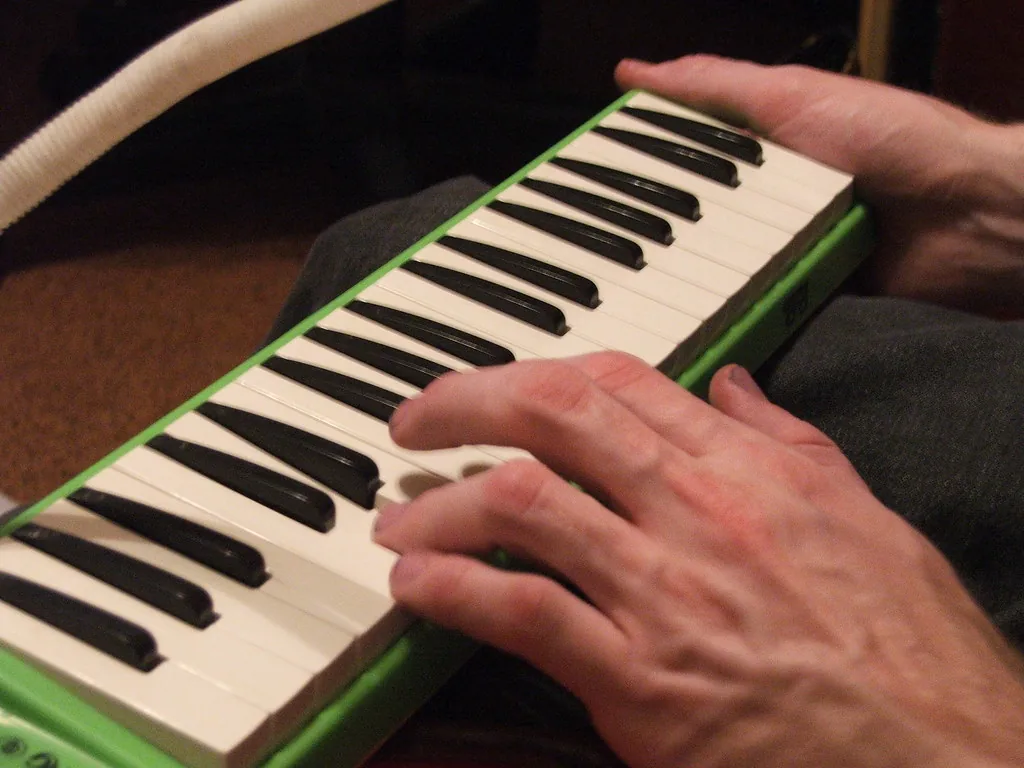
This free-reed wind instrument can often be played with both hands on the keyboard to enrich the harmony. Depending on the model, melodicas sold generally cover 2 to 3 octaves.
Essential Technical Criteria
Keyboard action varies: models have between 17 and 37 keys. Flat keys offer better rebound under the fingers, while button keys are shorter and more responsive.
- Reed response: this determines sound quality and note accuracy.
- Mouthpiece: an adjustable mouthpiece improves breath control.
- Keyboard type: choose according to how you will use it, whether you want to play with both hands or prioritize portability.
Where to Buy a Melodica with the Best Value for Money
To find a reliable instrument without breaking the bank, you need to target the right retailers. Compare offers on specialist websites such as Woodbrass and at local music stores.
The Hohner brand remains a safe choice. Hohner Student models are suitable for beginners and schools thanks to their durability and accessible price.
- Check the range of notes: from 25 to 37 keys, depending on your needs.
- Compare prices: some melodicas start at 20 euros, while others, such as the Yamaha P37, cost around 140 euros.
- Choose established retailers: they often provide instruments with more durable reeds.
In short, musicians can find a good balance between quality and cost by focusing on the Hohner brand, checking the keyboard layout and comparing several offers on the market.
Comparison of Essential Brands and Models
Each brand offers models with different technical features. This comparison highlights quality, key response and keyboard ergonomics to help guide musicians.
The Reliability of Yamaha Models
The Yamaha Pianica P37 offers a range of 2.5 octaves and an adjustable mouthpiece. Its responsive keyboard appeals to beginners and demanding musicians alike.
Indicative price: around 140 euros. Its robust construction ensures good durability.
The Outstanding Sound of Suzuki Instruments
The Suzuki M-37C Harmonica Melodion offers 3 octaves and remarkable tuning accuracy.
Its high-quality free reeds remain in tune longer and make it easier to play with both hands on the keyboard.
The Value for Money of Hohner Melodicas
Hohner models, such as the Performer 37 and Superforce 37, are lightweight and easy to handle.
Practical for the stage, the Hohner brand also offers Student versions suited to schools. Find these models at Hohner Student.
- Yamaha: precision and an adjustable mouthpiece.
- Suzuki: balanced sound and long-lasting reeds.
- Hohner: lightweight options that retain their value well.
Conclusion: How to Choose the Right Instrument
To make the right choice, first consider your skill level and the type of playing you want to develop. Budgets generally range from 20 to 500 euros; keep this in mind to narrow down your model selection.
Prioritize playability: test the keyboard’s responsiveness and the stability of the keys. Check the note range, the condition of the free reeds and the mouthpiece to ensure lasting sound quality.
Beginners should choose simpler models. Brands such as Yamaha, Suzuki and Hohner offer reliable options. If you want to compare models, browse this melodica collection to find an instrument suited to your daily playing.