
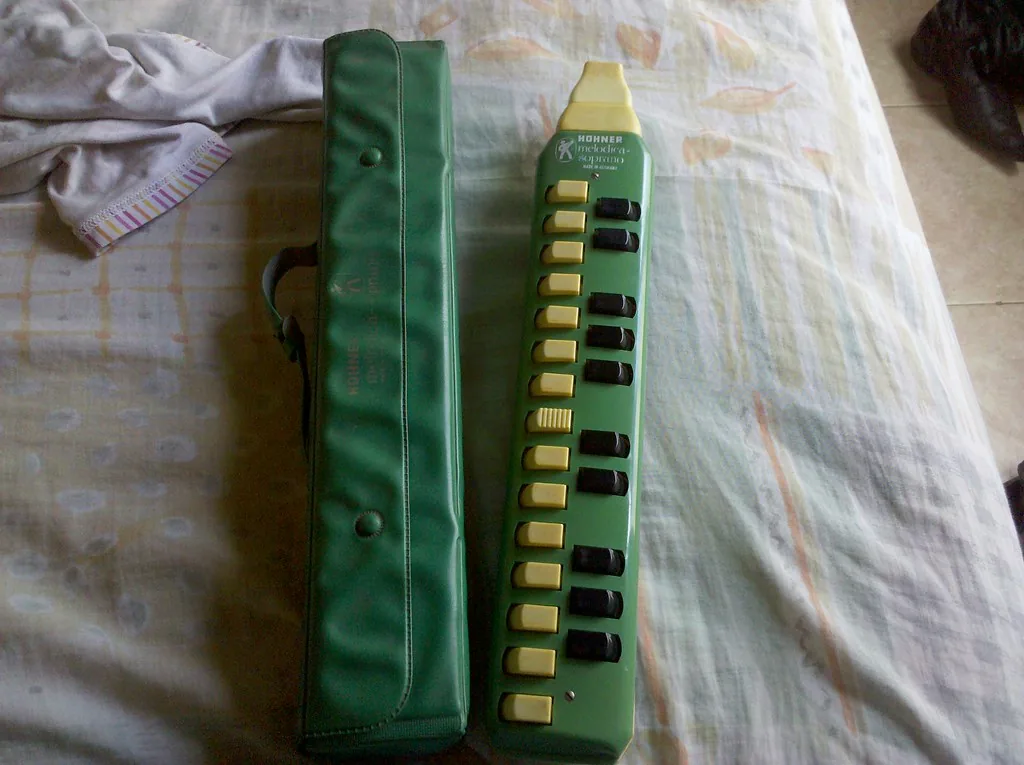
The melodica is a keyed wind instrument that combines features of the organ, harmonica, and accordion. It is compact, easy to carry, and ideal for those who are new to music.
On the market, there is a wide variety of models, and the choice can quickly become confusing. Reed quality, the number of keys, and durability all affect the sound and price.
This comparison guide will help you choose the right model for your budget and needs. We explain the essential points to consider when selecting a reliable, suitable instrument.
For gift ideas and affordable options, see this practical guide: budget-friendly suggestions. This will help you make a well-considered musical investment.
Understanding How the Melodica Works
Let’s explore the simple, effective mechanism that gives this small wind keyboard all its charm.
The melodica, often called a Pianica, works like a miniature piano with a keyboard of 17 or 32 keys. Each key opens a reed, allowing air to pass through and produce sounds similar to those of a harmonica or accordion.
The note range generally covers 2 or 3 octaves, which is enough to play melodies, accompaniments, and simple piano lines. Sound is produced by blowing into a plastic tube that directs air toward the reeds.
This instrument is very lightweight and can easily be carried in a hard or soft case. Its hybrid design provides a unique playing experience somewhere between a piano, accordion, and harmonica.
For purchasing ideas and affordable options, see these budget-friendly suggestions.
Buying a Melodica: Criteria to Check
The decision often comes down to three factors: note range, keyboard type, and sound quality.
Note Range
Standard models generally offer 2 or 3 octaves. This range lets you play simple melodies and accompaniments. If you plan to play more complex pieces, choose 3 octaves for greater freedom.
Keyboard Type
Most instruments come with flat, rounded, or button-style keys. The keyboard you choose affects playing speed and accuracy.
Tip: test the feel of the keys: responsive keys make performing easier and reduce fatigue.
Sound Quality
Sound quality depends primarily on the construction and precision of the internal reeds. A well-designed model produces a clear, consistent tone.
“A well-adjusted instrument reveals the full richness of its notes.”
As a general rule, a good-quality instrument costs between 20 and 100 euros. To discover affordable options and gift ideas, see these budget-friendly suggestions.

Comparison of the Best Brands and Models
A closer look at the essential choices: performance, reliability, and value for money should guide your decision.
Here is an overview of the models that lead the market for different player profiles, from beginners to experts.
The Market’s Essential Choices
Several brands stand out for their manufacturing quality and sound. The comparison table below will help you quickly identify the best balance between the number of keys, octave range, and price.
| Brand / Model | Keys | Octaves | Strengths |
|---|---|---|---|
| Yamaha – Pianica P 37 | 37 | 2.5 | Reliable sound quality, good key feel |
| Suzuki – M-37C | 37 | 3 | Durable construction, full range |
| Hohner – Superforce 37 | 37 | 3 | Excellent value for money |
| Hammond – Melodion PRO-44H V2 | 44 | 3.5+ | For experts, superior quality, premium model |
| Startone – Melody 32 | 32 | 2 | Less expensive, suitable for beginners, often supplied with a case |
For a broader selection and in-depth reviews, see our guide to the best melodicas.
Care and Accessory Tips
A few simple steps are all it takes to preserve accurate playing and sound quality.
Cleaning and Hygiene
After every session, use the moisture-release button to drain condensation. This prevents trapped moisture and unpleasant odors.
Clean the mouthpiece regularly with warm, soapy water. This protects your health and keeps the air passage clean.
If the sound becomes less accurate, consider checking the internal reeds. Targeted maintenance may restore proper tuning without requiring you to replace the entire instrument.
Beginner Essentials
A protective case is the key accessory. It allows you to carry your melodica safely and is often supplied with a case when you purchase a beginner model.
Complete your equipment with spare tubes and a soft cloth. These accessories extend the instrument’s lifespan and help reduce repair costs.
“Regular maintenance can often save you more than the cost of a repair.”
For a useful comparison of accessories, choose well-known brands and consult user feedback. This decision affects the quality and longevity of your instrument.
Conclusion: Making the Right Choice for Your Needs
Your final decision should balance range, key feel, and value for money.
Assess your needs first: the number of keys, octave range, and sound quality. A 37-key model covering 3 octaves is highly versatile and will help you progress quickly on the wind piano.
Brands such as Hohner and Yamaha often offer the best value for money for both beginners and experienced musicians. Regular maintenance, particularly using the moisture-release button, preserves the instrument’s tone and longevity.
By comparing models and testing the keyboard, you will find the ideal combination of price, quality, and playing comfort.