

Contemporary musical instruments continue to evolve, offering unique sounds and enriching musical experiences. Among them, two models stand out in particular: the tongue drum and the handpan. Although visually similar, these two instruments have distinct characteristics that are worth exploring.
This article aims to help you better understand these instruments and make an informed choice. We will cover several comparison criteria, including manufacturing, sound, price, and ease of learning. Drawing on more than ten years of expertise in this field, we offer a detailed analysis and a comparison table at the end of the article for a clear visual summary.
Whether you are a beginner or an experienced musician, discover what makes each instrument unique and find the one that best meets your expectations. To learn more, read our complete guide to the differences between the tongue drum and the handpan.
Introduction to the tongue drum and handpan
Two melodic steel percussion instruments have won the hearts of musicians and enthusiasts. Although these instruments are often confused because of their appearance, they offer distinct sound experiences. Nearly 98% of beginners confuse them at first glance, illustrating their striking resemblance.
Their popularity continues to grow, particularly in music therapy. These instruments are used for their soothing qualities and their ability to promote relaxation. They are also highly valued in meditation practices and street performances, where their captivating sound enthralls listeners.
The French market has grown by 40% since 2018, reflecting enthusiasm for these two instruments. Sales across Europe are following a similar trend, confirming their place in the contemporary musical landscape.
Appearing at the same time in the early 2000s, these percussion instruments quickly found an audience. Their recent history and accessibility make them popular choices among enthusiasts of modern music.
History and origins of the two instruments
These two percussion instruments have fascinating cultural and technical roots. Their creation resulted from a quest for unique, soothing sounds. Each of these instruments has a distinct history shaped by specific innovations and circumstances.
The history of the handpan
The handpan was created in Switzerland in 2000 by Felix Rohner. This instrument was designed in Bern, in a cultural environment conducive to musical experimentation. The first prototypes, called Hang, quickly evolved to offer richer and more complex sounds.
The original patent, filed soon afterward, limited production to a small number of craftspeople. This contributed to the rarity and appeal of the instrument. Today, its production is more accessible, but it remains a meticulous, artisanal process.
The history of the tongue drum
The tongue drum was born in 2007 from a simple idea: recycling gas cylinders. This creative approach made it possible to produce an affordable instrument that was easy to manufacture. The earliest versions were rudimentary, but they quickly gained popularity.
Since 2010, manufacturing has become more professional, resulting in more sophisticated models. Today, the instrument is appreciated for its simplicity and soothing sounds, which are ideal for meditation and relaxation.
Physical characteristics and manufacturing
The design of modern musical instruments relies on innovative manufacturing techniques. Every detail, from material selection to finishing, affects sound quality and durability. These processes vary by instrument and reflect unique approaches.
How a handpan is made
The handpan is a perfect example of artisanal craftsmanship. Its manufacturing requires approximately 80 hours of manual work, including the cold hammering used to create its characteristic shape. Each piece is precisely tuned using modal resonance techniques.
The use of 3 mm-thick metal sheets ensures optimal strength. Alloys such as nitrided steel improve sound quality and wear resistance. This meticulous process explains its high price.
How a tongue drum is made
The tongue drum, by contrast, is often produced using more modern methods. High-end models use CO2 lasers for the precise cutting of the tongues. This technique provides great accuracy and allows for greater customization.
The sheets used are thinner, generally 1.2 mm, making them easier to work with. Alloys such as stainless steel are chosen for their lightness and durability. This approach makes the instrument more accessible while maintaining remarkable sound quality.
Finally, the environmental impact of these production methods is another factor to consider. Material recycling and the use of clean technologies play an increasingly important role in the manufacturing of these instruments.
Sounds and musical scales
The rich sound of modern instruments offers a varied musical palette. Each model has unique characteristics that influence how it is used and appreciated. Let us explore the distinctive sounds and scales they offer.
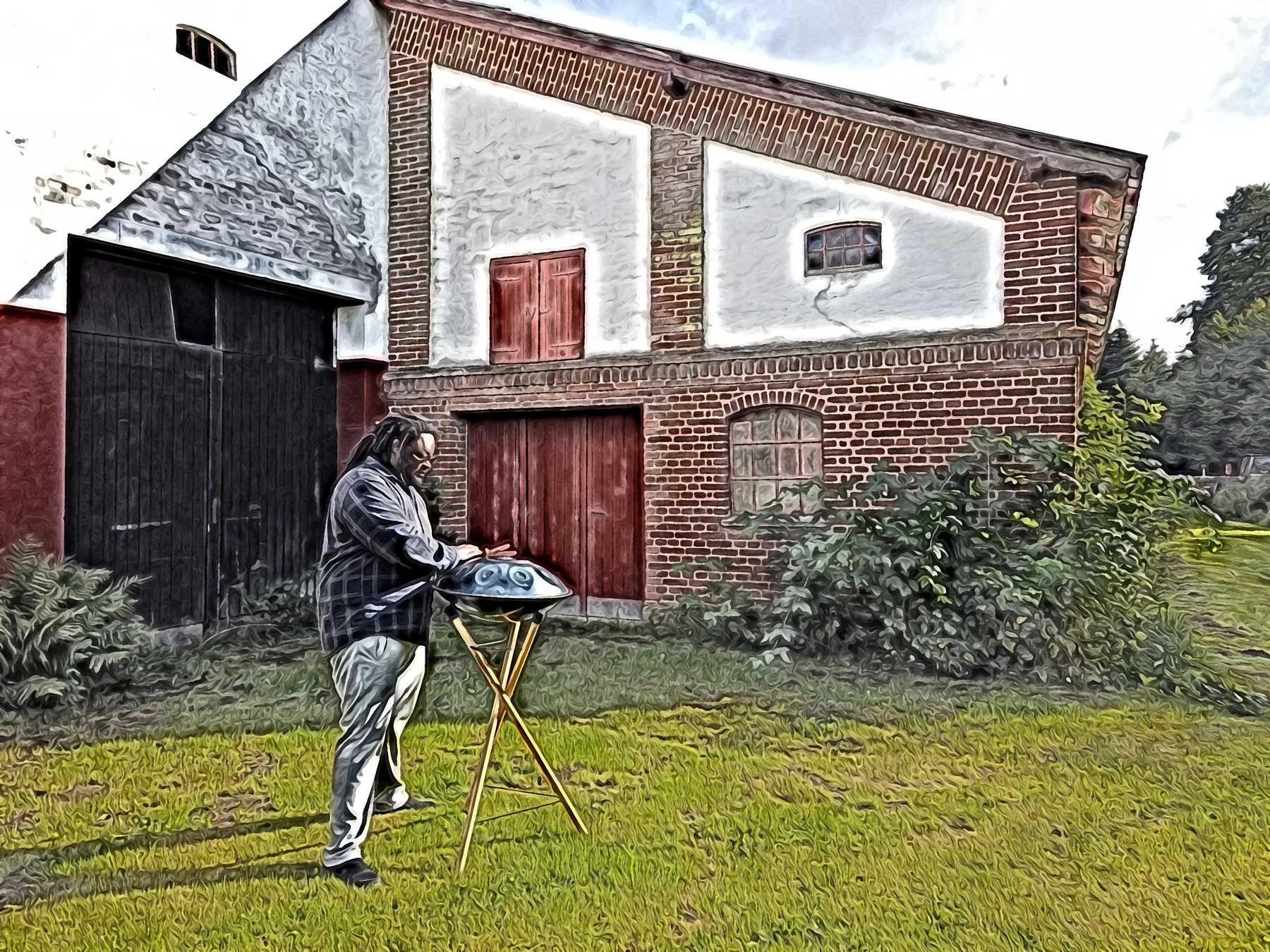
The sound of the handpan
The handpan stands out for its crystal-clear notes and average sustain of 12 seconds. Its rich harmonics make it a preferred choice for meditative melodies. Pentatonic scales, favored by 72% of players, are particularly well suited to relaxation.
This instrument adapts to various styles, from world music to electronic music. Alternative tuning systems such as Kurd or Hijaz offer additional creative possibilities. Its compatibility with digital audio workstation software through piezo microphones makes it a versatile tool.
The sound of the tongue drum
The tongue drum has a longer sustain, reaching 18 seconds. Its gentle, enveloping notes create a soothing atmosphere that is ideal for meditation. Pentatonic scales are also highly popular on this instrument.
This instrument excels at complex rhythms and offers a wide variety of musical possibilities. Its customizable tuning allows players to explore unique sound worlds. Like the handpan, it is compatible with music production software.
Learning difficulty and playing techniques
Learning a musical instrument can seem intimidating, but some models are more accessible than others. Choosing between the handpan and the tongue drum often depends on ease of learning and playing techniques. Let us explore these aspects to help you determine which instrument best suits your needs.

Learning to play the handpan
The handpan is known for its complexity. There are 15 officially documented techniques, making it an instrument rich in possibilities. Players often use their fingers and hands to create varied sounds, ranging from light strikes to circular movements.
Ergonomics plays a key role. Correct posture is essential to prevent fatigue. Private lessons are often recommended for mastering the nuances of this instrument.
Learning to play the tongue drum
The tongue drum, by contrast, is more accessible. Ninety percent of self-taught players master it within three months. Its playing techniques are simple and primarily involve using the hands or a mallet to strike the tongues.
Instructional videos are a popular resource for beginners. Its rhythmic approach is fluid, making it easier to learn. Online communities also provide valuable support.
| Criterion | Handpan | Tongue drum |
|---|---|---|
| Playing techniques | 15 official techniques | Simple techniques |
| Learning time | Several months | 3 months for 90% of self-taught players |
| Resources | Private lessons | Videos and online communities |
To learn more about the differences between the tongue drum and the handpan, read our complete guide.
Price and accessibility
Choosing an instrument often depends on its cost and accessibility. The two models examined here differ significantly in price, which may influence a purchasing decision. Here is a detailed analysis to help you better understand these factors.
The cost of a handpan
The handpan is a high-end instrument with an average price of €1,500. This high figure is explained by its artisanal production and the materials used. Waiting times can reach 18 months for some models, adding to their rarity.
Hidden costs often include purchasing a protective case, stand, and specific accessories. Warranty policies vary by manufacturer, but they generally cover manufacturing defects for several years.
The cost of a tongue drum
By comparison, the tongue drum is much more accessible, with an average price of €300. Its more modern manufacturing process and the use of lightweight materials contribute to this affordable price. Waiting times are generally short, making it a practical option.
Additional costs include accessories such as mallets or stands. Warranties are often similar to those for the handpan, but it is essential to check their terms before purchasing.

Additional options
For those looking to reduce their budget, the secondhand market is an appealing alternative. However, it is crucial to check the condition of the instrument and make sure it is authentic. Some retailers also offer financing and rental options.
| Criterion | Handpan | Tongue drum |
|---|---|---|
| Average price | €1,500 | €300 |
| Waiting time | Up to 18 months | A few weeks |
| Hidden costs | Case, stand, accessories | Mallets, stand |
| Warranty | Several years | Similar |
Conclusion: how should you choose between a tongue drum and a handpan?
Choosing between two unique musical instruments may seem complex, but the decision depends on your needs and expectations. If you are looking for a rich and versatile musical experience, a more sophisticated model may be ideal. For beginners, a more accessible instrument is an excellent place to start.
Sixty-eight percent of users keep both instruments over the long term, demonstrating how well they complement each other. Depending on your profile, you can choose one model or consider combining it with other musical instruments.
Market trends show constant evolution, with innovations expanding the available sound possibilities. To deepen your knowledge, consult specialized resources and explore online communities.
Ultimately, the choice depends on your goals and budget. Take the time to try each instrument and find the one that resonates with you.