
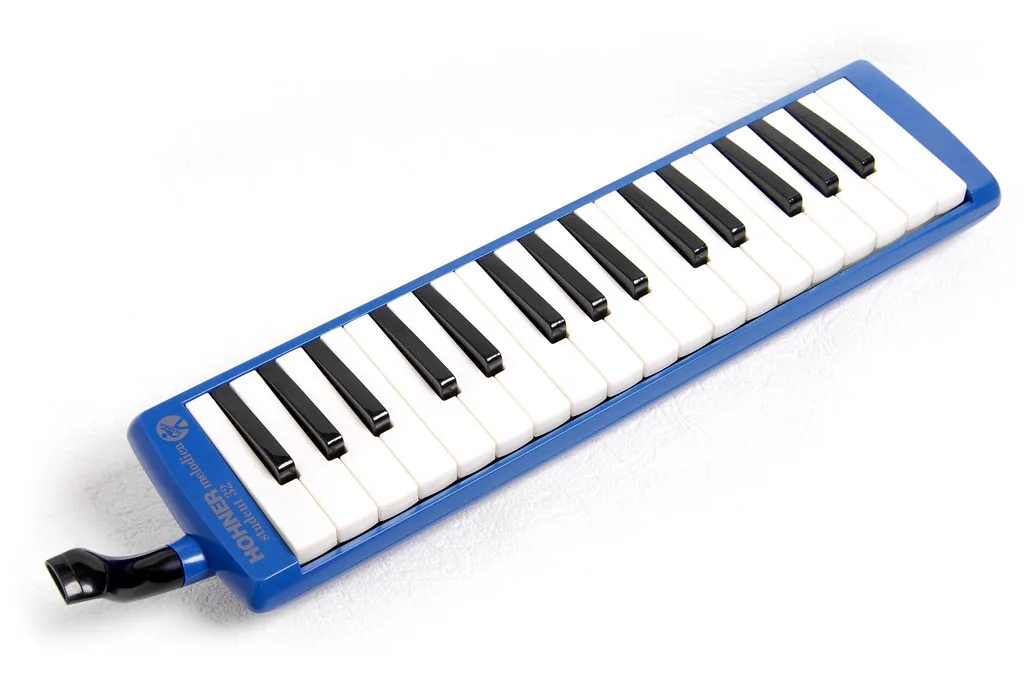
Discovering an accessible instrument can turn a hobby into a true passion. The melodica is quick to learn and delivers a rich sound without requiring a major investment.
Hohner and Suzuki, creators of this instrument in the 1950s, helped make it widely popular. The Startone Melody 32 is often cited as the least expensive option for beginners.
Our comparison focuses on build quality, price and value for money. We explain which criteria to examine: the finish, key action and durability.
This guide aims to simplify your choice by presenting reliable models and ranges suited to current expectations. A good first purchase can support your learning for several years.
For ideas for inexpensive instruments and gifts, also read this useful article: budget piano gifts.
Understanding the melodica before getting started
Understanding how this keyboard wind instrument works will help inform your choice and your playing.
The melodica is a free-reed wind instrument, halfway between the harmonica and the piano. It produces notes when the musician blows into the mouthpiece and presses the keyboard keys.
Origins and operation
First appearing in the 20th century, this highly popular instrument won people over with its simplicity. The free-reed mechanism provides an immediate response and a sound quality that depends on its construction.
A versatile instrument
The keyboards generally have between 17 and 32 keys, sometimes as many as 37 or 44, and span several octaves. This flexibility allows musicians to explore different styles without accumulating instruments.
- The action resembles that of a piano keyboard and makes complex melodies easier to play.
- The brand and type influence quality and durability.
- Many models come with a case, which is convenient for travel.
Essential criteria for choosing a cheap melodica: the best choices for a small budget
Choosing an instrument first requires identifying the criteria that affect its sound and durability.
Number of keys: this is a crucial criterion. The more keys there are, the wider the range of notes. Some models offer three full octaves, which is useful if you want to play a variety of pieces.
Sound quality: the sound should remain clear and pleasant. Good quality prevents whistling and makes ensemble playing easier to listen to.

Construction and keys: prioritize solid construction. Keys with good rebound make chords easier to play and help preserve tuning over time.
“A well-designed instrument produces accurate notes and helps develop a reliable musical ear.”
- Check the brand and model: some manufacturers provide consistently reliable quality.
- A low price should not come at the expense of the quality needed to progress.
- Color and design remain secondary considerations, but they are still pleasant to take into account.
| Criterion | Impact | What to check |
|---|---|---|
| Keys | Note range / playing comfort | Number of keys, rebound |
| Sound quality | Clarity of notes | No unwanted air noise, accuracy |
| Construction | Durability / tuning | Materials, brand |
| Design | Appearance | Color, finish |
For a practical comparison of the available options, see our dedicated selection: best melodicas.
Selection of essential models for beginners
To get started with confidence, here are models recognized by musicians and teachers. They cover budget options, models offering good value for money and branded instruments designed to help you progress.
Budget options
The Startone Melody 32 remains an affordable entry-level model. It offers a simple keyboard and decent sound for beginners. It often comes with a case.
Value for money
The Yamaha P37D02 combines power and durability. Its value for money appeals to those seeking better quality without compromise.
Branded models for progressing
The Hohner Superforce 37 and Suzuki M-37C are recommended for their accurate tuning and three-octave range.
| Model | Keys / octaves | Main advantage |
|---|---|---|
| Startone Melody 32 | 32 / approximately 2.5 | Affordable price, supplied with a case |
| Yamaha P37D02 | 37 / 3 | Powerful sound, solid construction |
| Hohner Superforce 37 | 37 / 3 | Durability, intensive use |
| Suzuki M-37C | 37 / 3 | Accurate tuning, high-quality reeds |
Tip: a 37-key model offers a wider range and makes it easier to learn a variety of pieces.
For ideas for accessories and gifts for musicians, visit our dedicated page.
Tips for maintaining and playing your instrument
Simple steps after each session protect the instrument and preserve its tuning.
Regular maintenance ensures good sound quality and extends the life of your instrument.
Cleaning techniques
After each use, press the moisture-release button to drain condensation. This prevents moisture from building up and damaging the reeds.
Clean the mouthpieces with warm, soapy water. Rinse them and let them dry completely before putting them back in place.
- Store your 37-key model in its case to prevent knocks.
- Careful disassembly may be necessary for thorough cleaning; proceed with caution.
- Preventive maintenance keeps every octave in tune and preserves the model’s value.
“Regular care helps maintain an even key response and consistent sound quality.”
| Action | Frequency | Impact |
|---|---|---|
| Drain condensation | After every session | Prevents corrosion and sound deterioration |
| Clean the mouthpieces | Weekly or according to use | Hygiene and consistent quality |
| Store in the case | After every trip | Protection from knocks and dust |
For more maintenance tips and related articles, see our dedicated guide: maintenance and comparison.
Conclusion
Having reached the end of this comparison, you now have straightforward criteria for choosing a melodica suited to your playing. Focus on the number of keys, the build quality and the sound quality to make a good investment.
Hohner and Suzuki remain reliable benchmark brands. A model with three octaves offers a wider range of notes and greater creative freedom.
Remember that an instrument supplied with a case is better protected, especially if you are a traveling musician. Follow this comparison to find the model that combines good value for money with the pleasure of playing.