

Blues is a musical genre deeply rooted in American history. Born in the cotton fields of the southern United States in the nineteenth century, it became a symbol of the African American community’s struggle and resilience.
Blues has evolved over the years to encompass a variety of styles and subgenres, each with its own characteristics and prominent artists. In this article, we will explore the origins of blues, its different styles, and some of the most famous musicians in this timeless genre.
Whether you are a longtime music fan or discovering blues for the first time, there is much to explore and appreciate in this dynamic and moving genre. Let us begin by looking at the different types of blues and the artists who helped make them popular.
The origins of blues
Blues is a musical genre that emerged in the early twentieth century in the United States, primarily in the South. Its origins can be traced back to traditional African songs and the work songs of enslaved Black people. The earliest bluesmen were primarily African American performers who played in bars and clubs, often for exclusively Black audiences.
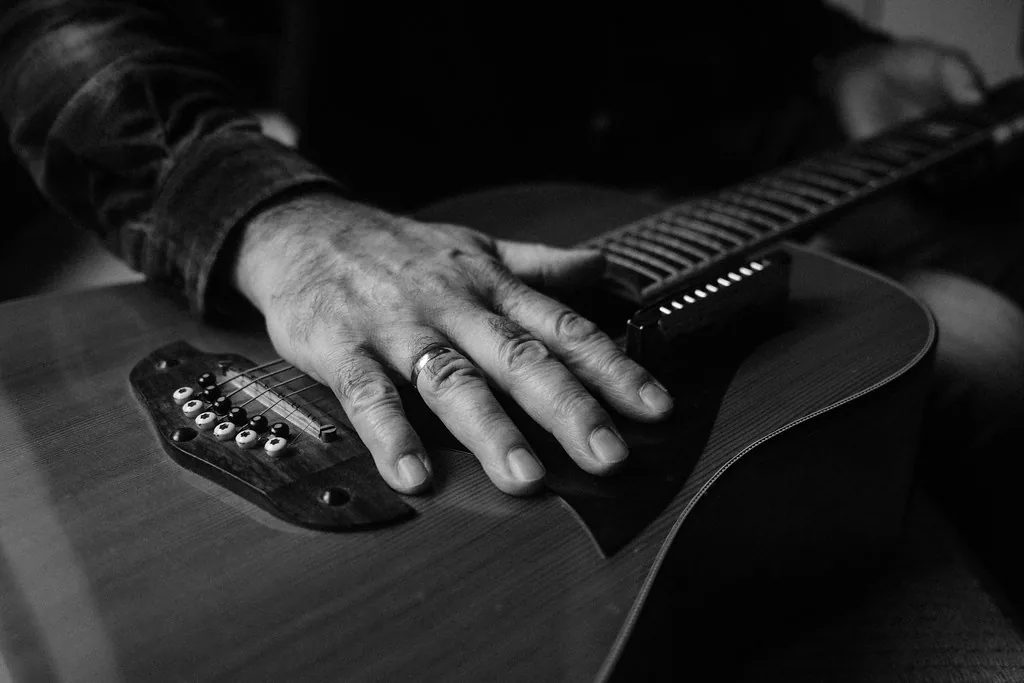
Blues evolved over the years, incorporating elements of gospel and jazz into its music. Over time, blues was also influenced by other genres, such as rock and roll and rhythm and blues. Despite these influences, blues retained its distinctive characteristics, such as the use of guitar and harmonica, along with lyrics that often express pain and sadness.
The early bluesmen
The early bluesmen were traveling musicians who performed on street corners and in clubs across the southern United States. They often played acoustic guitar and harmonica, creating a unique, intimate sound. Famous early bluesmen included artists such as Robert Johnson, Blind Willie McTell, and Son House.
The characteristics of blues
Blues is characterized by simple chords and rhythms, often in triple meter. Its frequently autobiographical lyrics express pain and sadness. Blues also uses specific scales, such as the blues pentatonic scale.

“Blues is simple, honest music that speaks directly to the soul.” — B.B. King
Blues styles
Blues encompasses a variety of styles and subgenres, each with its own distinctive characteristics. Here are some of the most popular styles:
| Style | Description |
|---|---|
| Country blues | Originating in the rural South of the United States, country blues is an acoustic style that emphasizes fingerpicked guitar and harmonica. Its lyrics often evoke life in the cotton fields and the hardships faced by Black workers. |
| Urban blues | Developed in cities in the northern United States, urban blues is a more electric and amplified style that often incorporates brass instruments and keyboards. Its lyrics focus more heavily on city life and personal relationships. |
| Chicago blues | Urban and electric in origin, Chicago blues is a faster, more energetic blues style that often uses electric guitars and amplifiers. Its lyrics may focus on social and political themes. |
| Delta blues | Originating in the Mississippi Delta, Delta blues is a simpler, acoustic style that emphasizes slide guitar. Its lyrics often evoke the suffering and isolation associated with life in the Mississippi Delta. |
| Blues rock | Blues rock is a genre that blends elements of blues, rock, and hard rock. Its lyrics may focus more on romance and heartbreak, while its instruments may include electric guitars, bass guitars, and drums. |
There are also other, lesser-known blues subgenres, such as jump blues, boogie-woogie, and swamp blues.
Blues in popular culture
Blues has had a significant influence on many other musical genres, including jazz, rock, soul, and R&B. Several famous pop and rock songs, such as “Sweet Home Alabama” by Lynyrd Skynyrd and “Born Under a Bad Sign” by Albert King, are rooted in blues.
Iconic blues artists
Blues has produced many talented artists who have made their mark on music history. B.B. King, also known as the “King of the Blues,” influenced and inspired generations of musicians with his unique guitar style and powerful voice. His best-known songs, such as “The Thrill Is Gone” and “Every Day I Have the Blues,” are blues classics.
Muddy Waters, regarded as the father of electric blues, revolutionized the genre by introducing the electric guitar and amplifying his sound. His music had a tremendous influence on rock and roll and the British blues of the 1960s.
Although Robert Johnson recorded only 29 songs, he became a blues legend. His complex guitar technique and dark lyrics inspired many artists, including Eric Clapton and the Rolling Stones’ Keith Richards.
Etta James
Etta James, often called the “Queen of the Blues,” also left an indelible mark on the genre. Her powerful, emotionally charged voice has captivated blues and soul fans since the 1950s. Her version of “At Last” became a wedding staple, while her song “I’d Rather Go Blind” is regarded as one of the greatest blues songs of all time.
Other artists, including John Lee Hooker, Howlin’ Wolf, Memphis Minnie, and Ray Charles, also made significant contributions to the development of blues. Their music continues to move blues fans around the world, proving that blues remains a timeless musical genre.
Conclusion
In short, blues is a rich and diverse musical genre rooted in African traditions and African American culture. This music evolved over the years to give rise to numerous styles and subgenres, including country blues, urban blues, Chicago blues, Delta blues, and many others.
Blues achieved worldwide popularity thanks to renowned artists such as B.B. King, Muddy Waters, Robert Johnson, Etta James, and many others who contributed to its success. Even today, blues continues to influence other musical genres and remains an important part of music history.
In this article, we explored the different types of blues, from its origins and subgenres to its most iconic artists. Blues is a musical genre with a rich and fascinating history that deserves to be discovered and fully appreciated.
FAQ
Q: What are the different types of blues?
A: The different types of blues include traditional blues, electric blues, Chicago blues, Delta blues, and contemporary blues.
Q: What are the origins of blues?
A: Blues has its origins in African musical traditions and the hardships experienced by African Americans in the United States.
Q: What are the most popular blues styles?
A: The most popular blues styles include Delta blues, Chicago blues, electric blues, and traditional blues.
Q: Which artists are known for their contributions to blues?
A: Iconic artists such as B.B. King, Muddy Waters, Robert Johnson, and Etta James made significant contributions to blues and left an indelible mark on the genre.
Q: Why is blues important in music?
A: Blues is an essential musical genre that has influenced many other styles of music and continues to be appreciated for its richness and depth.