

The melodica has fascinated musicians since Hohner invented it in the twentieth century. This wind instrument, with its small keyboard, produces a clear voice valued in reggae and modern music.
Augustus Pablo made this instrument famous in the studio and on stage. Melodicas are suitable for both concerts and recordings, thanks to their surprising sound quality.
Learning is quick: breath control and the keyboard help beginners understand music theory. Choosing a good brand affects playability and longevity.
In this article, we examine models and brands to help you find a suitable melodica. You will discover why these instruments are more than mere toys and can become professional tools.
Understanding How the Melodica Works
Behind every note, reeds and valves work together to produce sound. The principle is simple: the air supplied by the player’s breath activates free reeds, similar to those in a harmonica, which vibrate to create the instrument’s tone.
The keyboard resembles a small piano keyboard. Each key opens a dedicated valve and directs the air toward the corresponding reed. This allows the musician to play notes and chords precisely.
The melodica can be played by blowing directly into the mouthpiece or through a tube. The tube lets you place the instrument on a table and play more comfortably, particularly during a session or in the studio.
Sound quality depends on the construction of the reeds and the key configuration. Depending on the type, the range often covers more than one octave, providing a genuine palette for ensemble or solo playing.
- Vibrating metal reeds derived from the traditional harmonica.
- Valves connected to the keys for precise airflow control.
- The option of playing with a mouthpiece or a flexible, practical tube.
Best Melodica: Our Guide to Choosing the Right One
Choosing an instrument often comes down to balancing its appearance, durability, and tone.
To buy a good-quality melodica, begin by comparing models from established brands. Build quality determines the instrument’s durability and the consistency of its sound.
This short article highlights the key options to consider. Think about the case, additional mouthpieces, and number of keys. These features make learning and use in the studio or at concerts easier.
- Choose a reliable brand for greater durability.
- Test the feel of the keyboard and the response of the reeds.
- Compare the value for money offered by different models.
| Brand | Typical model | Main advantage | Included options |
|---|---|---|---|
| Hohner | 37 keys | Warm, stable sound | Case, flexible mouthpiece |
| Yamaha | 32 keys | Precise finish | Hard case, manual |
| Suzuki | 37 keys | Good long-term durability | Additional mouthpieces |
Choosing a suitable brand makes purchasing and playing easier. A good instrument encourages daily practice and improves your musical experience.
Technical Criteria for Selecting Your Instrument
Technical specifications determine an instrument’s response and durability.
Before buying, assess the number of keys, reed quality, and keyboard responsiveness.
Number of Keys
The number of keys affects the available range and octaves. Models with 37 keys remain the professional standard and provide a broad range.
Models with 32 keys are suitable for beginners. They simplify learning while covering all the essential notes.
- Ergonomic design: makes high notes easier to reach and improves playing comfort.
- Build quality: accurately made reeds ensure stable, true notes.
- Responsive keyboard: makes it possible to control the air and produce expressive nuances.
- Practical options: flexible tube, moisture-release button, and easy cleaning.
| Criterion | Impact | Recommendation |
|---|---|---|
| Number of keys | Range and number of octaves | 32 for beginners, 37 for professional use |
| Reed construction | Note accuracy | Choose an established brand |
| Ergonomics | Comfort and access to registers | A design suited to your hands and style |
Understanding the Different Ranges and Keyboard Types
Ranges differ between models: soprano, alto, and tenor versions provide distinct registers that enrich musical performance.
The number of keys directly affects the ability to play complex chords. An instrument with more keys lets you add bass notes and thirds without transposing.
Keyboard quality affects tactile response. Some models imitate the feel of a piano and provide better dynamics.
- 37 keys: a broad range and more octaves for extended melodies.
- 32 keys: a compact format ideal for learning and simple pieces.
- Soprano, alto, and tenor variants: choose according to register and style (classical, jazz, or reggae).
| Type | Number | Advantage |
|---|---|---|
| Soprano | 32 keys | Clear sound, portable format |
| Alto | 37 keys | Balance between low and high notes |
| Tenor | 37 keys or more | Stronger bass, useful for chords |
In short, choose the version that suits your playing style, your use of both hands, and your need for low or high notes.
The Importance of the Brand and Build Quality
A musician’s confidence comes as much from the sound as from the brand behind the instrument. Good build quality ensures consistent sound quality and the longevity required on tour or in the studio.
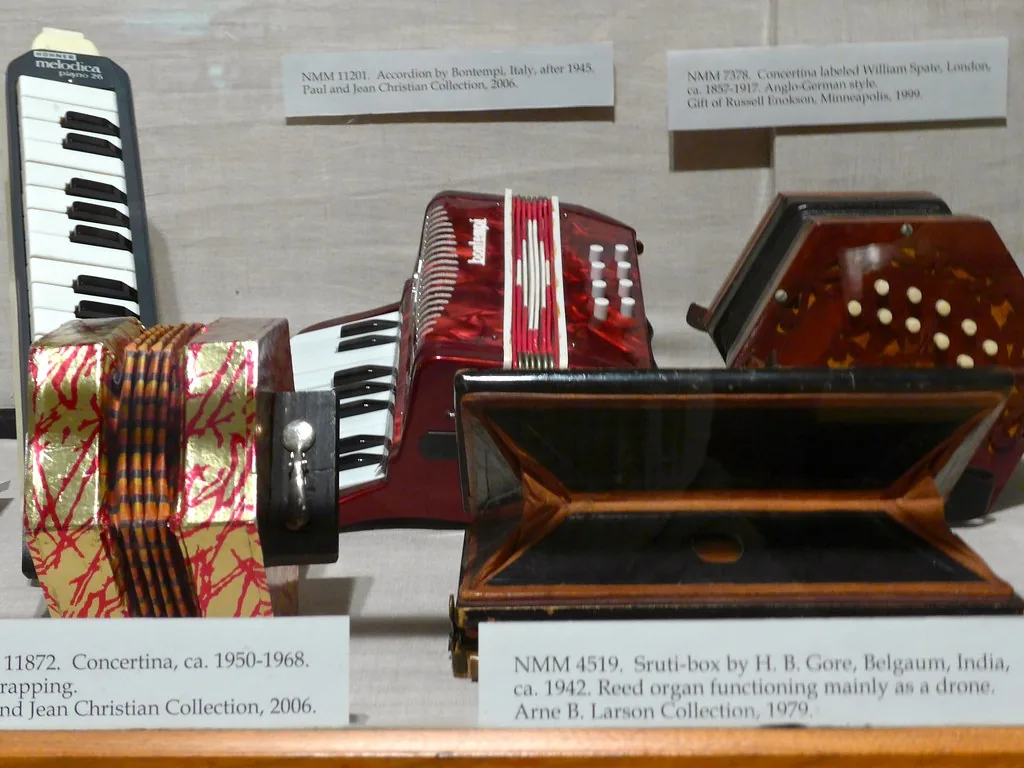
Hohner’s Reputation
Hohner popularized the melodica by drawing on its expertise in harmonicas. Its models respond quickly to air and have a precise keyboard feel.
Yamaha and Suzuki Models
Yamaha offers sturdy models valued for their sound quality and finish. Suzuki competes with well-designed instruments that remain stable over time.
Professional Instruments
Professional versions often include options such as microphones or outputs, refined styling, and a reliable key mechanism. The blowing tube allows two-handed playing, which is essential for complex arrangements in music.
- Solid construction: stays in tune after intensive use.
- Immediate response: gives the musician precision and expressiveness.
- Choosing a good brand simplifies maintenance and ensures that spare parts are available.
Tips for Maintaining Your Melodica and Extending Its Life
Simple maintenance extends the life of your instrument and preserves its sound quality. After every session, release the trapped air and remove condensation to prevent the reeds from oxidizing.
Always store the melodica in a hard case. This protects it from impacts and reduces exposure to ambient humidity, which can affect the notes over time.
Clean the tube several times a year with a mild solution. A clean tube limits bacterial buildup and maintains smooth air transmission.
- Wipe the keys with a soft cloth to prevent premature wear.
- Check the keyboard: no key should remain stuck.
- Control your breath: excess moisture affects the tuning across the octaves.
High-quality melodicas can be serviced by a technician once a year. Professional adjustment ensures stable octaves and better response when learning chords.
| Action | Frequency | Benefit |
|---|---|---|
| Draining and drying | After every session | Preserves the reeds and sound quality |
| Cleaning the tube | 3 to 4 times a year | Prevents bacteria and maintains airflow |
| Checking the keyboard | Every month | Identifies stuck or worn keys |
Methods and Resources for Getting Started
The first lessons focus on scales, chords, and posture.
Begin with online tutorials to learn the basics of this instrument: breath control, hand placement, and finding your way around the keyboard.

Practice simple scale and chord exercises several times a week. This reinforces note memory and two-hand coordination.
When buying a suitable melodica, consult comparisons and brand reviews. A good-quality model makes learning easier and helps prevent frustration.
“Regular practice and a protective case extend the life of your instrument and improve your playing.”
- Use the piano as a reference for the key layout.
- Clean the tube and perform basic cleaning after every session.
- Explore professional models if you want more variants and options.
For additional resources, read an article about progressing on the piano and a comparison of relevant instruments:
progressing on the piano — instrument comparison
Conclusion
In conclusion, the ideal instrument primarily depends on your musical goals and the sound you are seeking.
Sound quality remains the ultimate criterion: it ensures that your notes sound clear and accurate across all octaves.
The Hohner brand, along with models such as the Hohner Airboard, provides a reliable experience. Modern melodicas remain versatile.
Investing in quality instruments extends your enjoyment and musical practice. Choose according to your style and play with passion.