
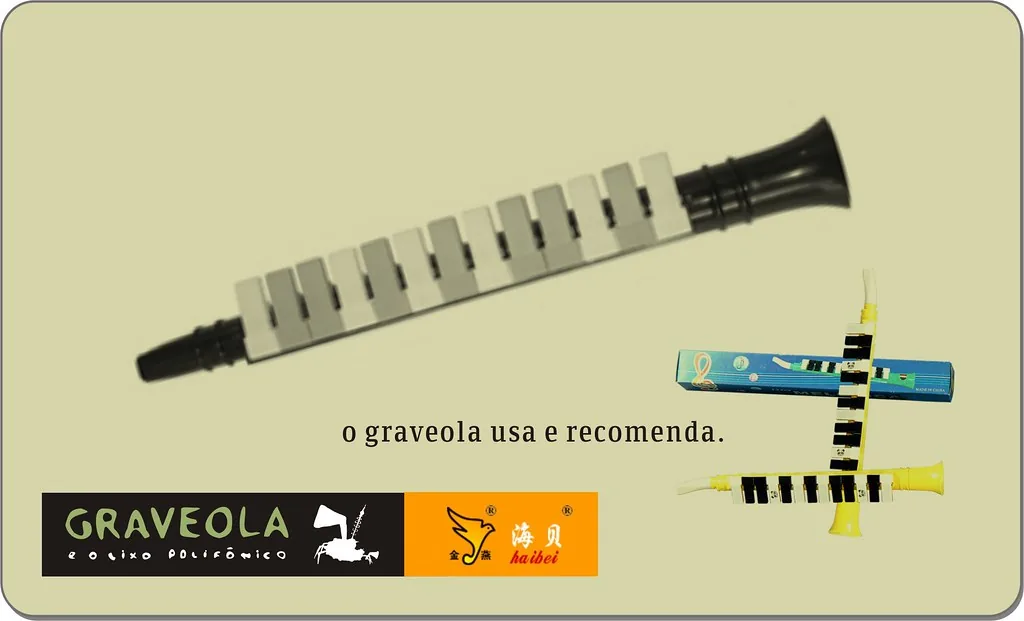
Discovering this wind instrument takes little time, but requires careful thought. The melodica combines the airflow of a harmonica with the logic of a small keyboard. Its clear sound appeals to beginners and experienced musicians alike.
To make the right choice, you need to understand the essential criteria: range, number of keys and durability. Prices vary considerably between brands. A comparative review can help you avoid regrets.
Polyphonic and portable, this instrument lets you play light melodies alone or in a group. Trying several models remains the best approach. For a detailed guide and examples of models, see our comparison of the melodica instrument.
Understanding how the melodica works
The mechanism of this small keyboard reflects a rich history and great musicality.
Created by Hohner between the 1950s and 1960s, this wind keyboard quickly established itself on the international stage. Its success stems as much from its history as from its simple, effective sound system.
Origins and history
Hohner launched the first model in the 1950s–1960s. Since then, melodicas have found their way into schools, studios and onto stages thanks to their portability.
A polyphonic wind instrument
The sound is produced by reeds similar to those in an accordion. Each note comes from a reed vibrating inside a tuned frame.
This system makes it possible to play several notes at once, providing harmonic richness similar to that of a piano. Breath control makes playing highly expressive.
- Origin: Hohner (1950–1960)
- System: reeds (as in an accordion)
- Polyphony: several simultaneous notes
- Construction: moisture-resistant materials
| Feature | Effect | Playing benefit |
|---|---|---|
| Reed system | Clear, precise sounds | Accurate notes |
| Polyphony | Rich harmony | Accompaniment capability |
| Durable body | Protection from moisture | Greater durability |
| Portable keyboard | Easy to carry | Use in lessons and on stage |
Melodica Instrument: Everything You Need to Know Before Buying
Models range from compact beginner instruments to professional versions with amplification.
The Hohner Student 32 Blue, with its 32 keys, is perfect for beginners looking for good quality without complexity. Its compact size makes it easy to carry and learn on.
The Hammond Melodion PRO-44H V2 sits in the professional segment. With 44 keys and an amplification system, it offers more harmonic possibilities as well as a polished stage-ready design.
For an original look, the Hohner AirBoard Rasta 37 combines a colorful design with a comfortable mouthpiece. The Startone Melody 32 remains the least expensive model, making it ideal for getting started in music without a major investment.

Many models are supplied with a case; it can easily double as a music stand, which is convenient when playing horizontally. Always check the number of keys, as it directly affects the richness of your playing.
- Hohner Student 32: quality suited to beginners.
- Hammond PRO-44H V2: premium model with amplification.
- Startone 32: less expensive option for beginners.
- Hohner AirBoard 37: original design and comfortable mouthpiece.
Technical criteria for choosing the right model
Choosing the right model comes down to a few simple but decisive technical criteria. They affect both sound quality and ease of learning.
Number of keys
The number of keys determines the instrument’s range. Models with 32 keys prioritize portability and are suitable for beginners.
Models with 37 keys offer greater freedom to play complex melodies and enrich arrangements.
Breath control and tone
Breath response changes the instrument’s expressiveness. Some models require more air, while others need only light pressure.
Good tone means clear notes and a precise tactile response, making the instrument easier to learn.
The importance of range
Ranges (soprano, alto, tenor and bass) define the register and intended effect. Choose according to the musical style you want to play.
The Hohner brand remains a benchmark for good quality, often at a slightly higher price but with better value for money.
- Also check the case: it protects the instrument and preserves its appearance.
- Compare models to find the best value for money.
Comparison of price ranges and brands
Comparing price ranges helps you identify the best value for your musical project.

Leading brands
The Yamaha P37D02 stands out for its powerful sound and robust construction. It is a reliable choice for demanding musicians.
The Suzuki M32C delivers a warm, precise sound. Its tuning stability is appreciated both in rehearsals and on stage.
- Entry-level models cost between €30 and €75: they are ideal for beginners who want to get started without making a major investment.
- Professional models often cost more than €150, with amplification options and higher-quality keys.
- The Walther Melodica Black offers excellent value for anyone seeking good quality without breaking the bank.
| Brand | Model | Price range | Strength |
|---|---|---|---|
| Yamaha | P37D02 | Professional (approximately > €150) | Powerful sound, solid finish |
| Suzuki | M32C | Mid-range (€75–€150) | Warm sound, tuning stability |
| Walther | Melodica Black | Entry-level (€30–€75) | Excellent value for money |
| Hammond | Melodion | Premium (> €150) | Professional features, amplification |
For a complete guide and comparative tests of the top models, visit our page dedicated to the best melodicas. A case may be included, making the instrument easier to carry and often doubling as a music stand. The supplied mouthpiece improves comfort and note accuracy.
Summary: making the right choice
The right choice is based on a simple assessment: skill level, budget and intended use. Beginners should prioritize an affordable model that is easy to carry, while experienced players should choose a higher range for greater nuance.
Check the quality of the keys and the durability of the body. A good case and a comfortable mouthpiece improve playing comfort and protect your equipment.
Choose according to value for money and brand. The Hohner Student remains a reliable choice for learning thanks to its dependability and practicality.
By following these criteria, you will find a model capable of producing rich notes and fitting into your group or solo compositions.