

The urban music movement, or hip-hop culture, has flourished since the 1970s. It originated in New York’s disadvantaged neighborhoods. French rap gained national prominence through local and national radio stations.
Hip-hop artists changed music, from production to artistic design. Their influence evolved considerably from the 1980s to the 2000s.
Hip-hop became a major cultural phenomenon. It gave rise to styles such as gangsta rap, rap rock and Miami bass. Iconic artists shaped both the underground scene and popular culture.
The Origins of Hip-Hop
Hip-hop emerged from African American and Hispanic cultures in the 1970s. It was born in the Bronx, New York. It gave young people a way to reinvent themselves and make their voices heard.
DJing
DJing is essential to hip-hop. DJs mixed sounds to create new music. They used turntables to develop scratching and mixing techniques.
MCing
MCing, or rap, is extremely important. MCs delivered lyrics over DJs’ beats. They told stories and expressed their lived experiences. MCing turned rap into a form of artistic expression.
Breakdancing
Breakdancing, or b-boying, became essential. Dancers combined styles such as jazz and funk. Breakdancing was a way to express themselves and challenge stereotypes.
Graffiti
Graffiti, especially tagging, was a form of artistic expression. Young people used walls to display their creativity. It was also a way to claim their territory.
The Emergence of Rap in Hip-Hop Culture
Rap was born in the 1970s in the Bronx, New York. It grew from a blend of African traditions, spoken word, slam poetry and toasting. Rap became a cornerstone of artistic expression.
The Origins of Rap: A Cultural Fusion
The first rappers began by delivering their flow over simple beats. DJs manipulated records to create these rhythms. Kool Herc is considered the father of rap because he invented the breakbeat.
The Pioneers of Rap
Rap took on a political dimension in the 1980s. Artists such as Grandmaster Flash, Run-DMC and Public Enemy denounced injustice. Their music became a weapon of protest and resistance, blending rap with funk, rock or reggae.
Rap as a Means of Expression
Rap portrays life in urban neighborhoods, with its joys and sorrows. Rappers talk about what they see and feel. Rap addresses social issues such as violence and poverty.
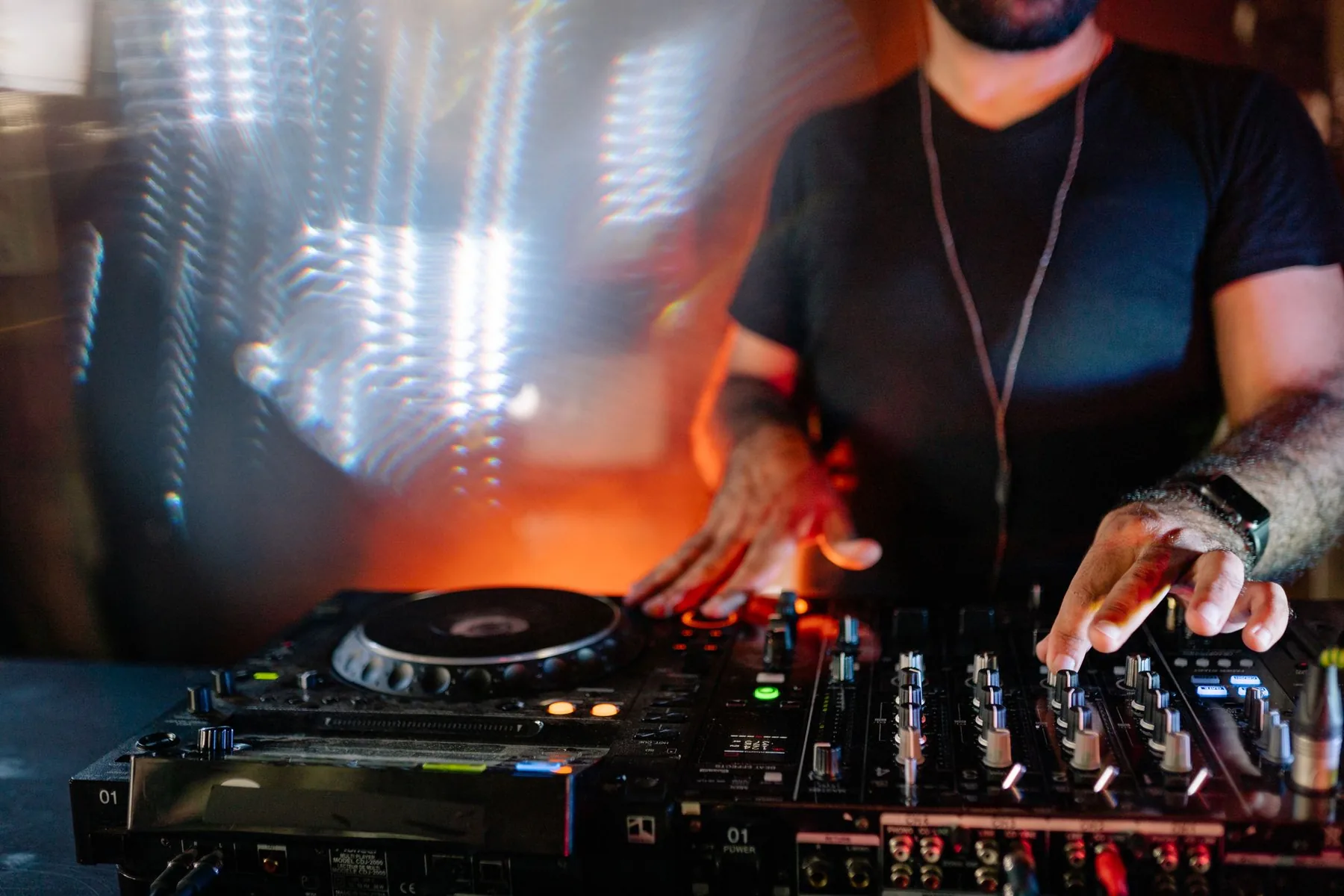
“Rap is urban poetry performed over a musical rhythm and has been one of the pillars of hip-hop since its beginnings.”
The Golden Age of Hip-Hop
In the 1980s and 1990s, hip-hop experienced its golden age. It was a period of unprecedented creativity and cultural vitality. Artists such as Grandmaster Flash, Afrika Bambaataa, Run-D.M.C., Tupac Shakur, The Notorious B.I.G. and Nas revolutionized hip-hop.
Their talent and socially conscious lyrics made hip-hop an essential musical genre. This era, the golden age of hip-hop, saw iconic artists emerge. Public Enemy, N.W.A., Tupac and The Notorious B.I.G. shaped the hip-hop of the 1980s and 1990s.
This period saw the rise of rap within hip-hop culture. Grandmaster Flash and Afrika Bambaataa laid the genre’s foundations. The 2000s brought greater diversity to hip-hop, with Eminem and Jay-Z helping the movement evolve.
Today, iconic artists such as Kendrick Lamar, J. Cole and Missy Elliott embody modern hip-hop. They convey personal and universal messages to an ever-growing audience.
“Hip-hop was built on four fundamental pillars: DJing, MCing, breakdancing and graffiti.”
Hip-Hop’s Influence on Popular Culture
Hip-hop changed music through its new rhythms and lyrics. It was born in disadvantaged neighborhoods in the United States in the 1970s. Since then, it has created numerous subgenres, including rap and R&B. This gave a voice to many artists from underprivileged backgrounds.
Music
Hip-hop left its mark on popular music. Groups and artists such as Run-DMC and Nas transformed the genre. Albums such as “Paid in Full” and “Illmatic” became classics.
Fashion
Hip-hop fashion also changed popular culture. Clothing such as tracksuits and sneakers became popular through hip-hop. Icons such as Jay-Z and Kanye West influenced urban fashion.
Language
Hip-hop created a unique language. Words such as “swag” and “bling-bling” entered everyday use. Rap allows artists to play with words and communicate important messages.
Dance
Hip-hop also influenced dance. Styles such as breakdancing and krump emerged from hip-hop culture. They are now known around the world.
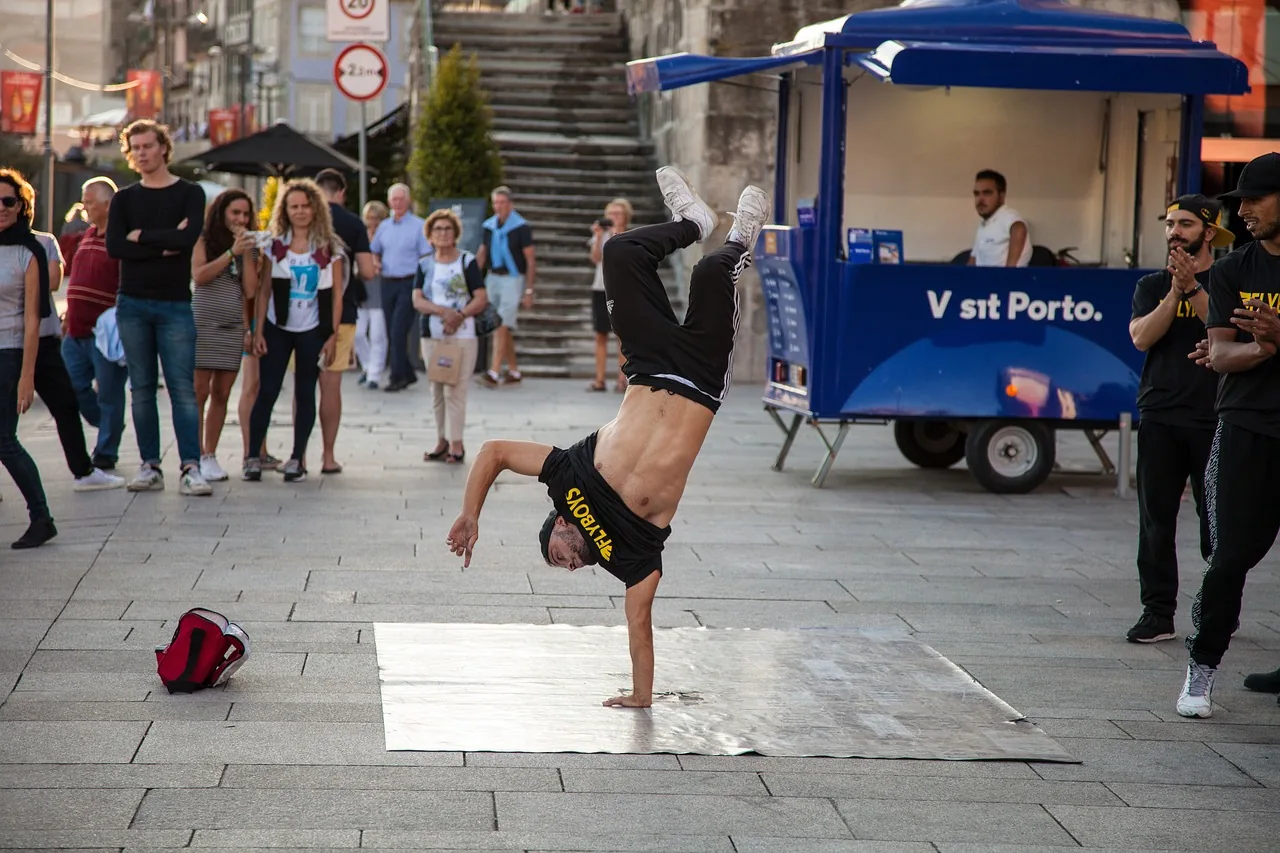
The Evolution of Hip-Hop Through the Decades
Hip-hop celebrates its 50th anniversary this year. Since 1973, it has become a musical culture in constant evolution. It has diversified and adapted to each era.
The 1990s were the golden age of hip-hop. Artists such as Tupac Shakur, The Notorious B.I.G. and Wu-Tang Clan defined this period. They addressed social and political issues, making hip-hop a voice for marginalized communities.
Today, hip-hop continually reinvents itself. Artists such as Jay-Z, Kanye West and Kendrick Lamar have introduced new musical innovations. They have diversified the music, ranging from electronic styles to pop and R&B. Their work has made hip-hop an important cultural force that tackles social and political issues artistically.
Hip-hop has proved its ability to adapt and remain relevant. From its beginnings in the Bronx to its global influence, it has continually reinvented itself. It reflects the concerns of every era and inspires new generations.
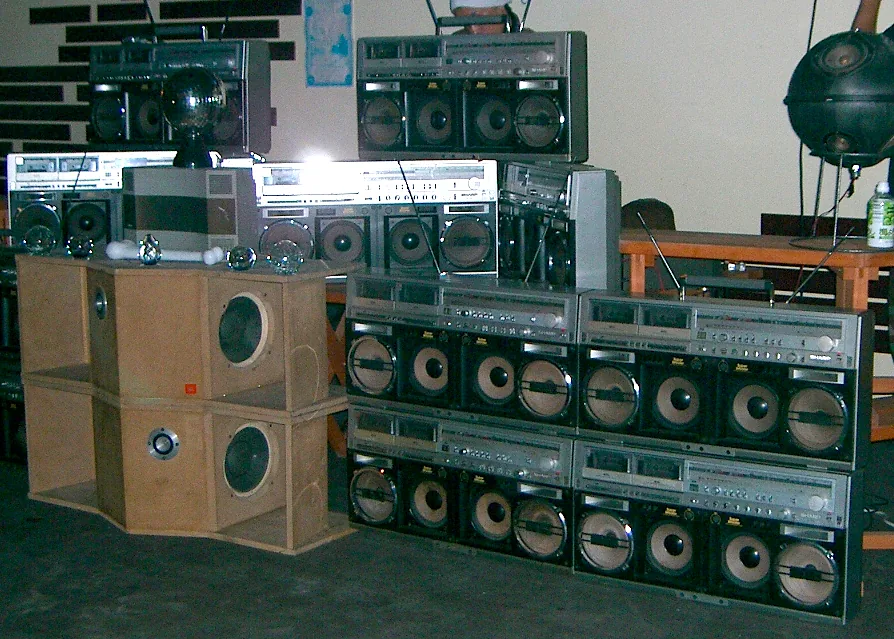
“Hip-hop was initially marginalized before gaining popularity in France. Today, it serves as a platform for addressing social issues such as racism and inequality.”
The “Hip-Hop 360” exhibition in France celebrates the evolution of hip-hop through the decades. It offers a comprehensive retrospective of this influential cultural movement.
Rap’s Social and Political Impact
Rap is more than a musical genre. It provides a powerful voice for artists from oppressed communities. They can bear witness to their realities and denounce racism, inequality and violence.
This socially conscious rap is a tool of social protest and cultural resistance.
A Voice for the Voiceless
Artists such as Grandmaster Flash, Run-DMC and Public Enemy spoke out about injustice and discrimination against Black people in the United States. Their rap conveyed powerful political and social messages. They became a voice for the voiceless.
Socially Conscious Rap
In France, the 1990s saw many rappers support movements in working-class neighborhoods. The 2000s were marked by significant social and political mobilization. Rap artists played a key role in these movements.
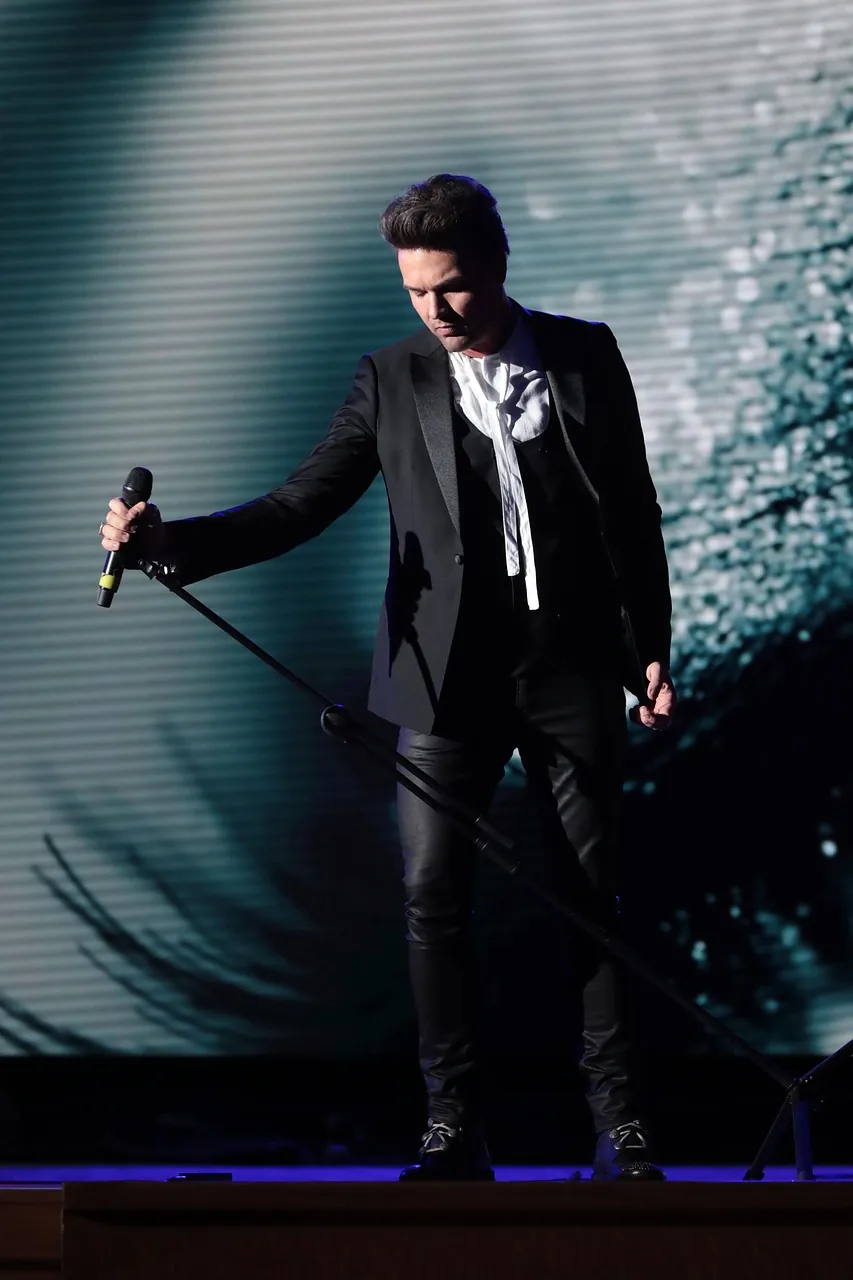
In Senegal, the “Y’en a marre” movement was founded in 2011. It encourages young people to become politically engaged and defend their democratic rights. In Burkina Faso, rappers participated in protest movements. They called for changes to the Constitution to secure greater freedom and citizen oversight.
“Rap has been used as a weapon of protest and resistance by artists from disadvantaged backgrounds. It became a voice for the oppressed and a means of expressing their political and social demands.”
Conclusion
Hip-hop has profoundly shaped popular culture. It was born in New York’s disadvantaged neighborhoods. This musical genre revolutionized production and influenced many other genres.
Hip-hop continues to exert a strong cultural influence today. Contemporary artists carry forward its enduring legacy while renewing it. Hip-hop is more than a musical genre: it is a cultural movement that changed society.
Hip-hop conquered the world and became a dominant musical force. Its impact extends to fashion, dance, language and popular culture. Hip-hop gave a voice to the voiceless and celebrates diversity.
Today, hip-hop evolves and reinvents itself to remain at the forefront of culture. Its enduring legacy and influence demonstrate its importance in global culture. Hip-hop has become a way of life, a means of expression and a catalyst for social change.
FAQ
What Are the Origins of Hip-Hop?
What Are DJing and MCing?
Who Are the Pioneers of Rap?
What Were the Major Stages in Hip-Hop’s Evolution?
How Has Hip-Hop Influenced Popular Culture?
What Has Been Rap’s Social and Political Impact?
Source Links
- https://history.duke.edu/courses/history-hip-hop
- https://www.smithsonianmag.com/arts-culture/they-were-just-having-back-school-party-apartment-rec-room-little-did-know-creating-hip-hip-180988814/
- https://www.tshaonline.org/handbook/entries/rap-and-hip-hop
- https://opensiuc.lib.siu.edu/gs_rp/32/
- https://en.wikipedia.org/wiki/Hip-hop
- https://www.nccu.edu/academics/undergraduate-programs/history-hip-hop-concentration-ba
- https://www.graffiti.org/faq/graffiti_edu_christen.html
- https://www.danceus.org/hip-hop/beyond-the-moves-the-fashion-and-music-of-hip-hop-dance/
- https://www.fitnyc.edu/museum/exhibitions/hip-hop-style.php
- https://escholarship.org/content/qt7vb6c3f9/qt7vb6c3f9_noSplash_9162e20bac969eaef40c84560d81eb62.pdf
- https://afam.ucla.edu/2004/01/01/rap-music-and-street-consciousness/
- https://www.researchwithrutgers.org/en/publications/hip-hop-fashion-masculine-anxiety-and-the-discourse-of-americana/
- https://bunchecenter.ucla.edu/research-initiatives/hip-hop-initiative/
- https://www.louisarmstronghouse.org/musicmap/
- https://www.hindustantimes.com/lifestyle/art-culture/the-evolution-of-hip-hop-dance-fashion-graffiti-turntablism-and-aave-in-the-global-culture-scene-hiphopculture-globalphenomenon-streetart-djculture-languageevolution-101682690936044.html
- https://education.gov.scot/media/k3nd3g0n/exarts8-hip-hop-culture-project.pdf
- https://apnews.com/article/grammy-museum-50-years-hiphop-recording-academy-a0b18d38e3d9c913ce0cc5255c828dfd
- https://time.com/collections/must-read-books-2024/7172746/hip-hop-is-history/
- https://discovery.ucl.ac.uk/id/eprint/1549862/1/PhD%20Edited%20Version%20Copyright%20Material%20Removed.pdf
- https://journals.sagepub.com/doi/10.1177/0094582X231171377
- https://academic.oup.com/florida-scholarship-online/book/15919/chapter-abstract/170842276
- https://nmaahc.si.edu/explore/stories/women-hip-hop
- https://arxiv.org/abs/2505.00035