

Hip-hop emerged in the poor neighborhoods of the Bronx, New York, in the early 1970s. In this difficult environment, rap music, graffiti, breakdancing, and DJing came together. This gave rise to a revolutionary cultural movement.
Pioneers such as DJ Kool Herc, Afrika Bambaataa, and Grandmaster Flash played a key role. They invented new mixing techniques. They also organized block parties to spread underground culture.
Hip-hop music is known for its rhythm, powerful lyrics, and beats. It grew out of Black American music while offering a new perspective. This culture first reached other New York neighborhoods and other American cities. It then spread around the world.
What is hip-hop?
Hip-hop is more than a musical genre. It is an urban culture that emerged in the Bronx, New York, in the 1960s. It includes rap music, DJing, graffiti, breakdancing, and beatboxing.
Definition and key disciplines
Rap is well known, but hip-hop encompasses five key disciplines. They developed in the Bronx during the 1960s and 1970s.
- Rap is a musical style characterized by rhythm and spoken or sung lyrics.
- DJing is the art of mixing records on turntables.
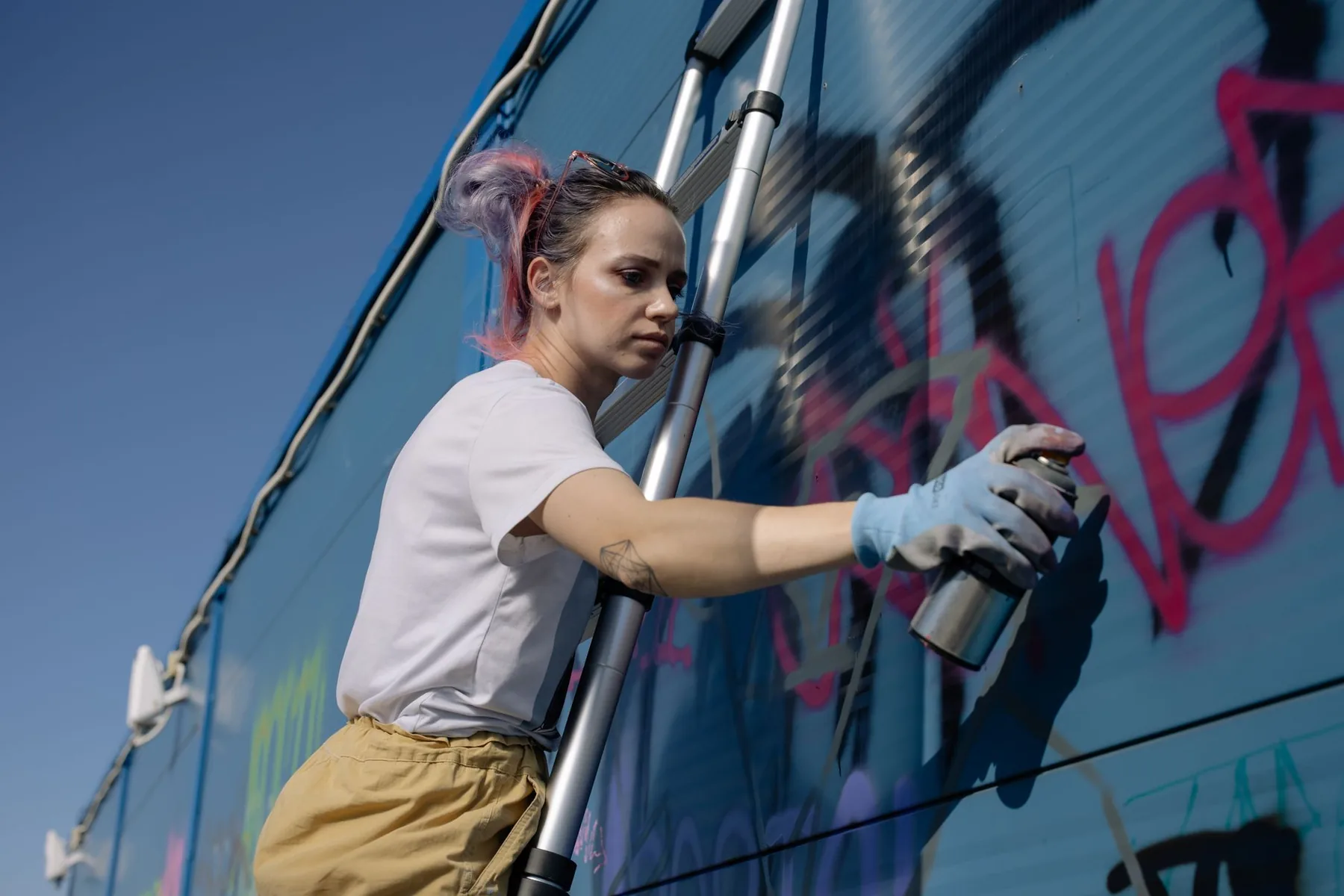
- Graffiti is a form of urban art consisting of tags and murals.
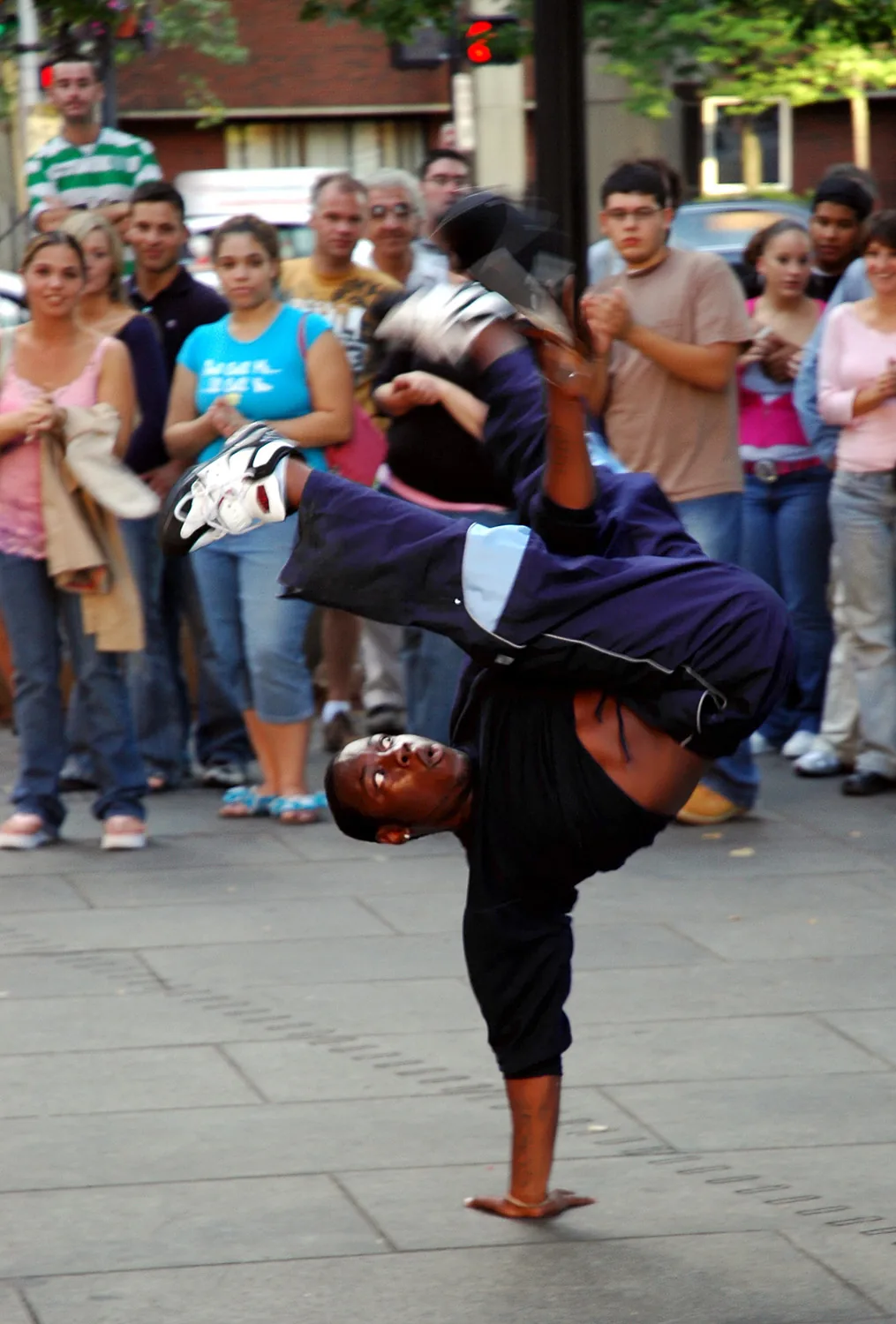
- Breakdancing is an acrobatic dance performed on the floor.
- Beatboxing involves imitating the sounds of a drum machine with the voice.
These disciplines form the pillars of hip-hop’s urban culture. They demonstrate its richness and artistic diversity.
“Hip-hop is a culture and musical genre characterized by rhythm accompanied by rap, as well as by all the urban and artistic cultures that constitute it.”
The roots of hip-hop
Hip-hop has its roots in African American music and African music. West African griots also played an important role. African American traditions such as “signifyin’” and poetry helped create this culture.
In New York, groups and artists such as The Last Poets, Gil Scott-Heron, and Jalal Mansur Nuriddin influenced hip-hop. Their socially engaged poetry played a key role in the movement.
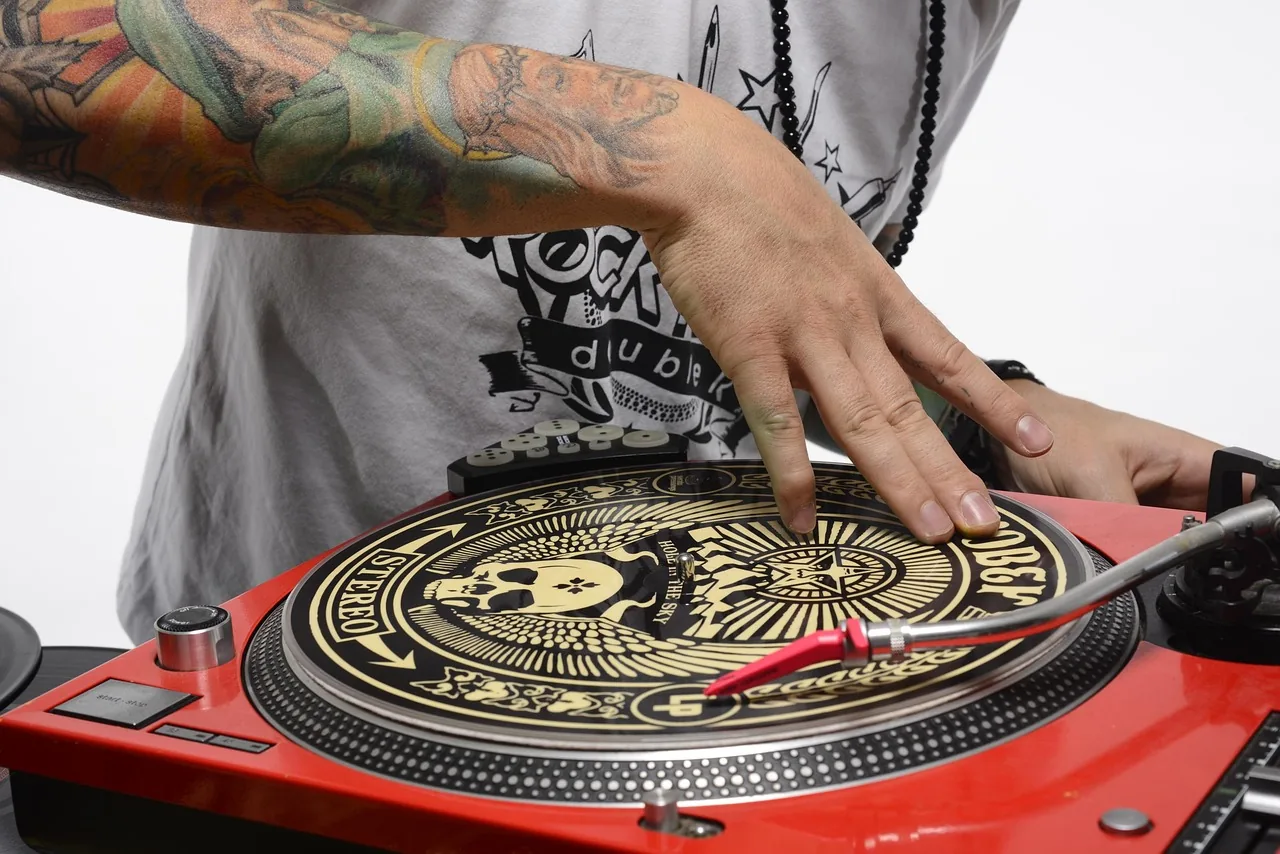
Hip-hop began in the Bronx thanks to DJs such as Kool Herc and Afrika Bambaata. Their music, played on vacant lots, gave rise to this culture.
In Brooklyn and Queens, pioneers such as Charisma Funk and Grandmaster Flowers helped create the movement. Their work was crucial to hip-hop’s global development.
| Pioneer | Contribution |
|---|---|
| Kool Herc | Laid the foundations of DJing in the Bronx |
| Afrika Bambaata | Popularized hip-hop culture through his music and events |
| The Last Poets | Influenced the spoken word movement that inspired the first MCs |
| Gil Scott-Heron | Shaped early hip-hop with his socially engaged tracks |
| Jalal Mansur Nuriddin | A founding member of The Last Poets, he helped shape the spirit of hip-hop |
The roots of hip-hop are deep and varied. They draw on African American music, African music, and socially engaged poetry.
The Origins of the Hip-Hop Movement
Bronx block parties
The hip-hop movement began at block parties in the Bronx. These parties were places where young people gathered. DJs played funk and soul while emphasizing the rhythmic sections.
DJs invented techniques such as scratching and beat mixing. This gave rise to a new way of experiencing music. Figures such as DJ Kool Herc, Afrika Bambaataa, and Grandmaster Flash played a key role in this movement.
Graffiti and breakdancing also emerged from these parties. These artists helped create hip-hop culture, which quickly grew in popularity.
“Hip-hop was born in New York, in the South Bronx, at the very end of the 1960s and the beginning of the 1970s.”
| Year | Event |
|---|---|
| 1967 | Kool Herc organizes the first block parties in the Bronx |
| 1973 | Per capita income in the South Bronx is no more than $2,400 per year |
| 1975 | The name “hip-hop” becomes established as the term for the urban cultural movement |
The evolution of rap
Rap, or MCing, became the best-known musical genre within hip-hop. It emerged from various influences, including disco. DJ Kool Herc and Coke La Rock developed the vocal style of rap. Melle Mel was one of the first to become known for his lyrics.
Rap also saw the arrival of Sha Rock and the group The Sequence. With Kurtis Blow and his 1979 hit “The Breaks,” rap began to grow in popularity. It gained recognition beyond the Bronx.
“Hip-hop was ‘born 50 years ago in the disadvantaged neighborhoods of the Bronx in New York.’”
The 1980s were the golden age of hip-hop. Public Enemy, Boogie Down Productions, and Eric B. and Rakim defined this period. The 1990s saw the arrival of Dr. Dre, Eminem, and 50 Cent, who propelled hip-hop to even greater heights.
Today, rappers such as Jay-Z, Kanye West, and Kendrick Lamar have made hip-hop even more popular. Rap has evolved and remains a highly influential and widely appreciated genre around the world.
Hip-hop’s cultural impact
The hip-hop movement quickly assumed a central place in urban culture. It particularly reached African American youth and Latino American youth in the Bronx, New York. Groups such as Afrika Bambaataa’s Universal Zulu Nation helped organize this scene. Graffiti and breakdancing also evolved.
Hip-hop was initially underground, but it later found success in the music industry. The Sugarhill Gang’s “Rapper’s Delight,” released in 1979, marked a turning point. It enabled the genre to spread internationally and become a global cultural phenomenon.
Hip-hop evolved into a vehicle for social messages. Artists such as Tupac Shakur, Nas, Common, and Kendrick Lamar addressed social justice and racism. Today, artists such as Kanye West, Drake, Cardi B, and Travis Scott continue to push the genre’s boundaries.
“Hip-hop became a global cultural phenomenon, transcending the borders of the United States to reach countries such as France, the United Kingdom, Canada, and Germany, thereby contributing to the genre’s diversity and richness internationally.”
Conclusion
The hip-hop movement, which grew out of urban culture, emerged in the Bronx, New York, in the 1970s. It quickly gained popularity, blending rap music, graffiti, breakdancing, and visual art. Pioneers such as DJ Kool Herc, Afrika Bambaataa, and Grandmaster Flash played a key role.
Hip-hop moved beyond its origins to become a global cultural and industrial phenomenon. Today, its influence extends across many fields, from music and fashion to visual art. This demonstrates the movement’s strength and enduring relevance.
Hip-hop is often controversial, but it remains a creative force. It gives marginalized people a voice and promotes social change. Its impact on popular culture is undeniable, making it an essential phenomenon in global art.
FAQ
When and where was the hip-hop movement born?
What are the key disciplines of hip-hop culture?
What are hip-hop’s musical roots?
Where and how did the hip-hop movement take shape?
How did rap establish itself as hip-hop’s dominant musical expression?
What was hip-hop’s cultural impact?
Source links
- https://thehiphoparchive.org/origins
- https://hiphop.library.cornell.edu/
- https://www.journals.uchicago.edu/doi/10.1086/JAAHv90n3p190
- https://www.history.com/this-day-in-history/august-11/hip-hop-is-born-at-a-birthday-party-in-the-bronx
- https://www.pbs.org/opb/historydetectives/investigation/birthplace-of-hip-hop
- https://teachersinstitute.yale.edu/curriculum/guides/1993/4/93.04.04.x.html
- https://www.encyclopedia.com/social-sciences/encyclopedias-almanacs-transcripts-and-maps/hip-hop-culture
- https://www.tshaonline.org/handbook/entries/rap-and-hip-hop
- https://www.nmaam.org/exhibit/the-message/
- https://en.wikipedia.org/wiki/Hip-hop_culture
- https://www.mopop.org/blog/posts/20-years-of-mopop-yes-yes-yall-documents-hip-hops-first-decade
- https://thhm.org/
- https://en.wikipedia.org/wiki/Hip-hop_culture
- https://www.grammy.com/news/hip-hop-history-timeline-50th-anniversary-photos-videos-playlist/
- https://rockhall.com/evolutionofhiphop/
- https://arxiv.org/abs/2505.00035
- https://en.wikipedia.org/wiki/Hip-hop_culture